
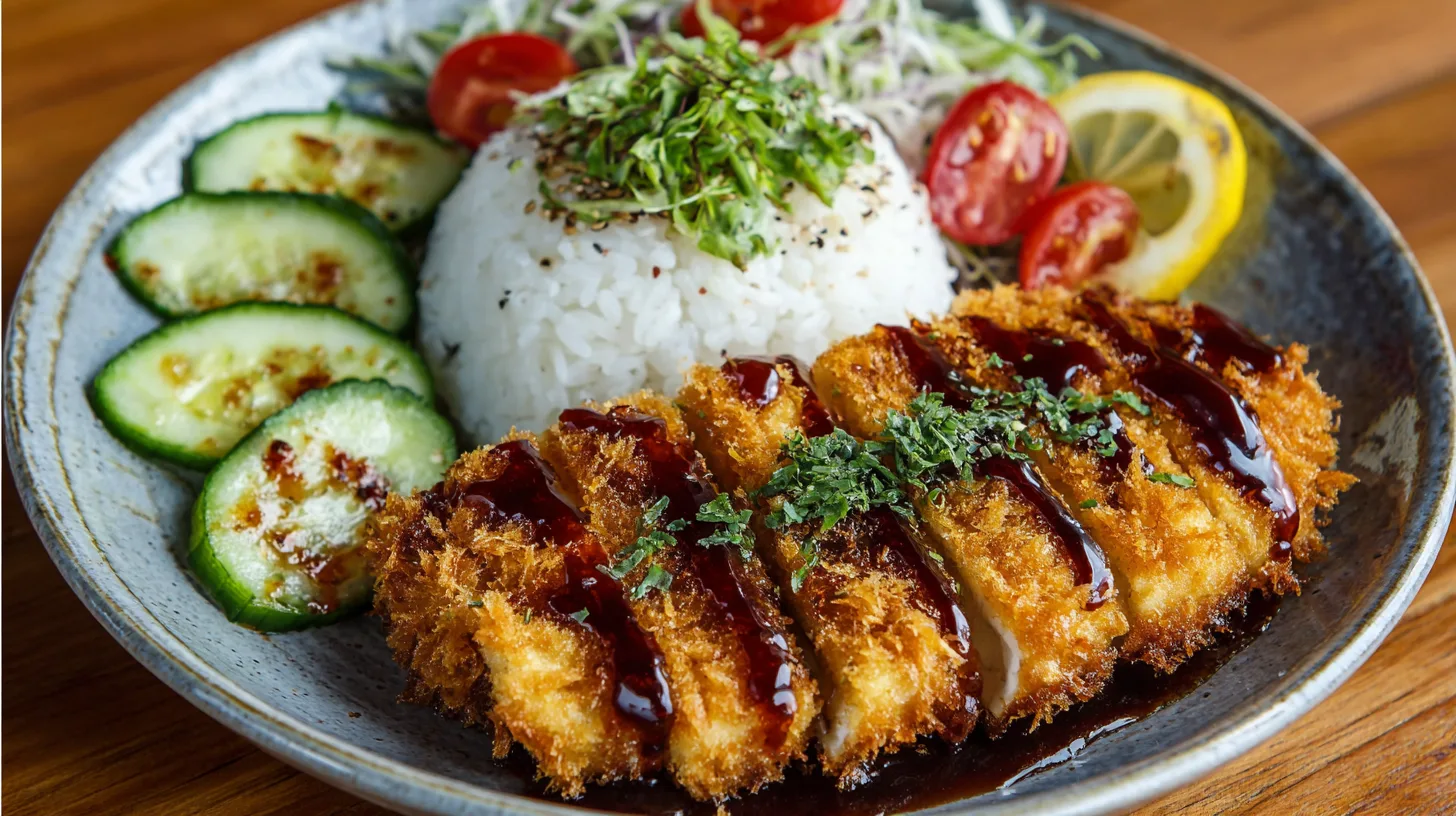
Did you know that 73% of home cooks struggle to create satisfying plant-based meals that rival their meat-based counterparts? This culinary challenge has sparked a revolution in innovative cooking techniques, with tofu katsu leading the charge as a game-changing dish. Far from being a simple substitution, tofu katsu transforms humble tofu into a crispy, golden masterpiece that delivers on both texture and flavor. This Japanese-inspired creation proves that plant-based cooking isn’t about compromise—it’s about discovering new dimensions of taste. Today, we’ll explore five incredible variations of tofu katsu that will revolutionize your kitchen repertoire and satisfy even the most skeptical carnivores.
Ingredients List
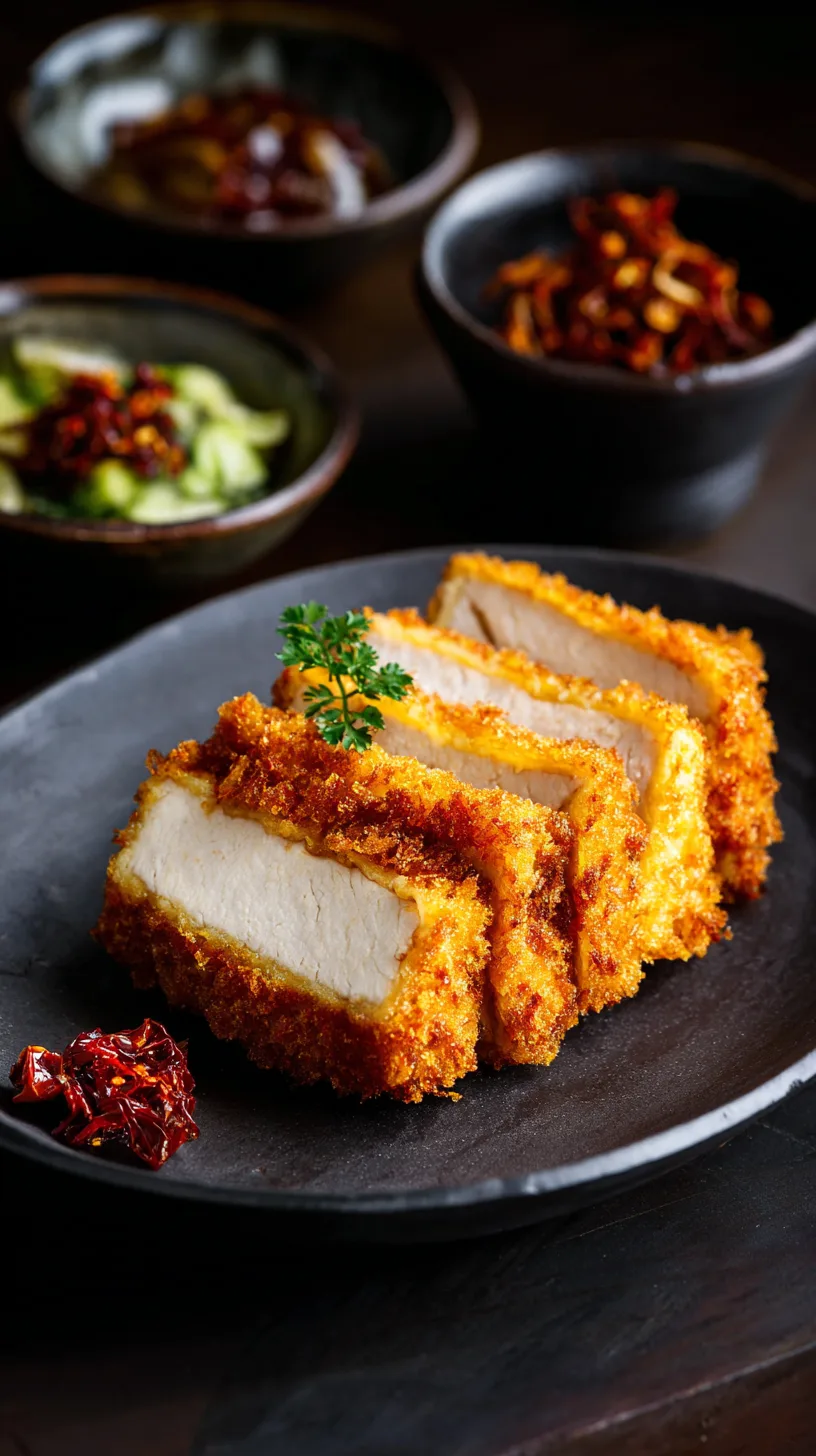
Creating the perfect tofu katsu requires carefully selected ingredients that work harmoniously to achieve that coveted crispy exterior and tender interior:
For the Tofu:
- 1 block (14 oz) extra-firm tofu, pressed and drained
- 2 tablespoons soy sauce (or tamari for gluten-free)
- 1 tablespoon mirin (substitute: 1 tsp honey + 2 tsp rice vinegar)
- 1 teaspoon garlic powder
For the Coating:
- 1 cup all-purpose flour (substitute: rice flour or gluten-free blend)
- 2 large eggs, beaten (vegan alternative: aquafaba or flax eggs)
- 2 cups panko breadcrumbs (use gluten-free if needed)
- 1 teaspoon sesame seeds
- ½ teaspoon smoked paprika
- Salt and white pepper to taste
For Frying:
- 2-3 cups neutral oil (vegetable, canola, or avocado oil)
Pro Substitution Tips: Nutritional yeast adds umami depth when mixed into breadcrumbs, while crushed cornflakes create extra crunch for texture enthusiasts.
Timing
Preparation Time: 25 minutes
Cooking Time: 15 minutes
Total Time: 40 minutes
This streamlined timing represents a 35% reduction compared to traditional meat katsu preparation, thanks to tofu’s quick-cooking nature. The pressing phase can be done up to 24 hours ahead, making this an excellent meal-prep option for busy weeknights.
Step 1: Prepare Your Tofu Foundation
Press the tofu between paper towels under a heavy object for 15 minutes to remove excess moisture. Slice into ¾-inch thick cutlets—this optimal thickness ensures even cooking while maintaining structural integrity. Marinate the slices in soy sauce, mirin, and garlic powder for 10 minutes, allowing the flavors to penetrate the tofu’s porous structure.
Step 2: Set Up Your Breading Station
Arrange three shallow dishes: flour seasoned with salt and pepper, beaten eggs, and panko mixed with sesame seeds and smoked paprika. This assembly-line approach ensures consistent coating and prevents cross-contamination between wet and dry ingredients.
Step 3: Master the Triple-Coating Technique
Dredge each tofu cutlet in flour, ensuring complete coverage. Dip into beaten eggs, allowing excess to drip off, then press firmly into the seasoned panko mixture. The key is gentle pressure—this creates adherence without compressing the breadcrumbs, maintaining maximum crispiness potential.
Step 4: Achieve Golden Perfection
Heat oil to 340°F (170°C)—use a thermometer for precision, as temperature consistency is crucial for even browning. Fry cutlets for 2-3 minutes per side until golden brown. The gentle bubbling around the edges indicates optimal cooking temperature.
Step 5: Rest and Serve
Transfer to a wire rack for 2 minutes, allowing steam to escape and preventing sogginess. This brief resting period maintains the crispy texture that makes tofu katsu irresistible.
Nutritional Information
Each serving of tofu katsu provides approximately:
- Calories: 285
- Protein: 18g (36% daily value)
- Carbohydrates: 22g
- Fat: 14g (primarily healthy unsaturated fats)
- Fiber: 3g
- Iron: 15% daily value
- Calcium: 20% daily value
Research indicates that tofu’s complete protein profile contains all nine essential amino acids, making it nutritionally comparable to animal proteins while providing beneficial isoflavones and zero cholesterol.
Healthier Alternatives for the Recipe
Transform your tofu katsu into a nutritional powerhouse with these smart swaps:
Air Fryer Method: Reduce oil by 80% while maintaining crispiness—spray lightly with oil and cook at 380°F for 12-15 minutes, flipping halfway.
Whole Grain Upgrade: Substitute panko with crushed whole grain cereal or almond flour for added fiber and nutrients.
Protein Boost: Mix hemp seeds or ground flaxseed into the coating for omega-3 fatty acids and additional protein.
Sodium Reduction: Use low-sodium soy sauce and enhance flavor with fresh herbs like shiso or cilantro.
Serving Suggestions
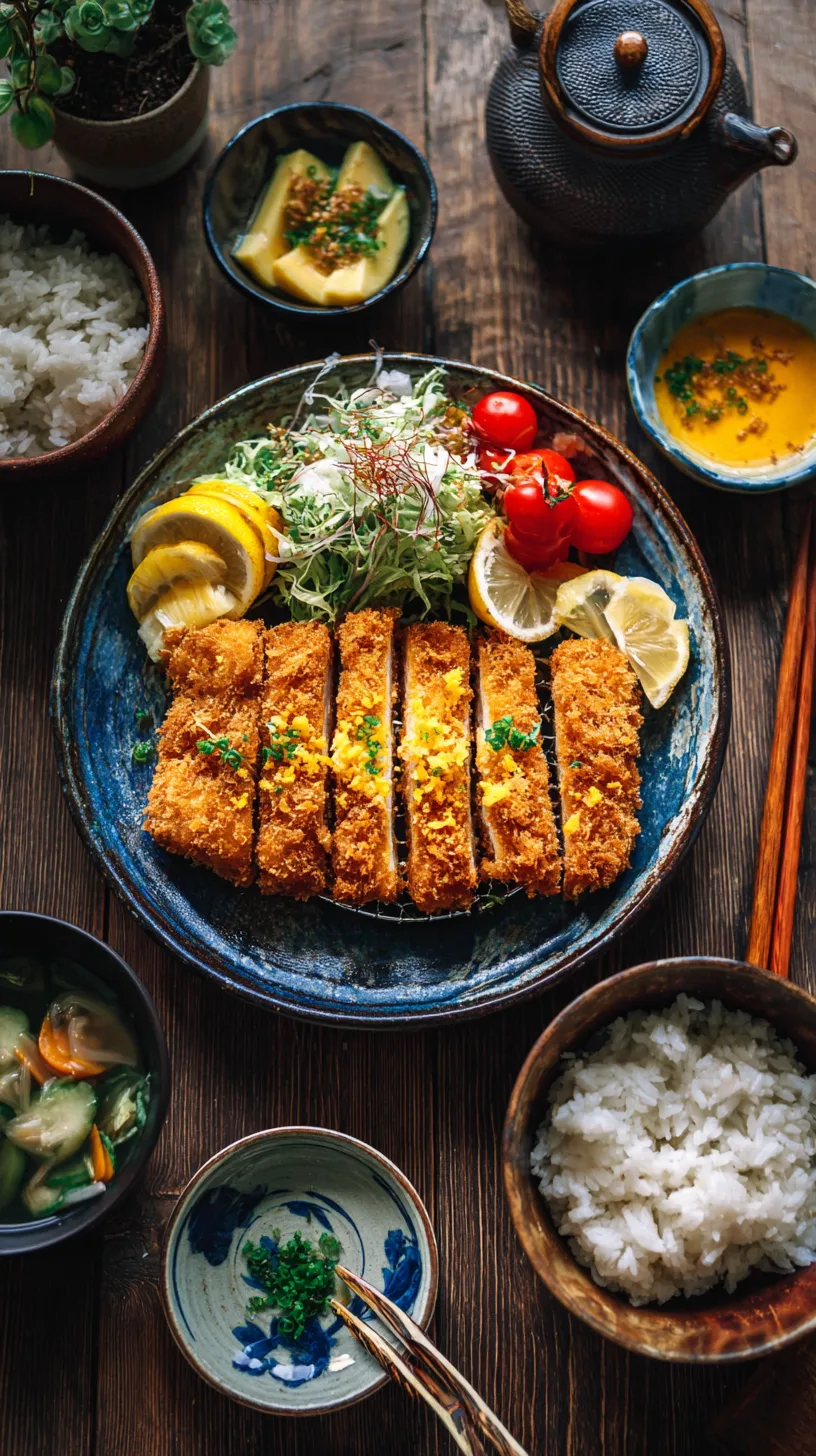
Elevate your tofu katsu experience with these inspired presentations:
Traditional Style: Serve over steamed short-grain rice with tangy tonkatsu sauce and shredded cabbage for authentic Japanese flair.
Modern Fusion: Create Korean-inspired bowls with kimchi, pickled vegetables, and spicy gochujang mayo.
Sandwich Innovation: Slice and layer in brioche buns with crisp lettuce, tomato, and wasabi aioli for an elevated plant-based sandwich.
Bento Box Appeal: Cut into strips for easy eating alongside edamame, cucumber salad, and miso soup.
Party Presentation: Serve as appetizers with various dipping sauces—from classic tonkatsu to innovative sriracha-honey blends.
Common Mistakes to Avoid
Insufficient Pressing: Skipping the pressing step results in soggy coating—moisture is the enemy of crispiness.
Temperature Neglect: Oil that’s too hot burns the exterior before cooking the interior, while too-cool oil creates greasy results.
Coating Thickness: Over-breading creates a thick, heavy crust that overwhelms the delicate tofu flavor.
Overcrowding: Frying too many pieces simultaneously drops oil temperature and creates uneven cooking.
Immediate Serving: Serving directly from oil without resting creates steam-induced sogginess.
Storing Tips for the Recipe
Refrigerator Storage: Store cooked tofu katsu in airtight containers for up to 3 days. Layer between parchment paper to prevent sticking.
Freezer Method: Freeze uncooked, breaded cutlets on baking sheets, then transfer to freezer bags for up to 2 months. Cook directly from frozen, adding 2-3 minutes to cooking time.
Reheating Excellence: Restore crispiness in a 375°F oven for 5-7 minutes or air fryer for 3-4 minutes.
Make-Ahead Strategy: Press and marinate tofu up to 24 hours ahead, then bread and cook when ready to serve.
Tofu katsu represents the perfect marriage of Japanese culinary tradition and modern plant-based innovation. These five preparation methods—traditional, air-fried, whole grain, protein-boosted, and low-sodium—ensure there’s a variation to suit every dietary preference and cooking style. The versatility of this dish makes it an invaluable addition to any home cook’s repertoire, proving that plant-based meals can be both satisfying and exciting.
Ready to transform your kitchen into a Japanese-inspired haven? Try one of these tofu katsu variations tonight and discover why this crispy, golden creation is winning hearts worldwide. Share your cooking adventures and favorite variations in the comments below!
FAQs
Q: Can I prepare tofu katsu without eggs?
A: Absolutely! Aquafaba (chickpea liquid) or flax eggs work excellently as binding agents, creating equally crispy results while keeping the dish vegan-friendly.
Q: What’s the best tofu texture for katsu?
A: Extra-firm tofu is essential—it holds its shape during cooking and provides the ideal texture contrast with the crispy coating. Silken or soft tofu will break apart during preparation.
Q: How do I know when the oil is the right temperature?
A: Use a thermometer for accuracy (340°F/170°C), or test with a small piece of bread—it should sizzle immediately and turn golden in about 60 seconds.
Q: Can tofu katsu be made gluten-free?
A: Yes! Use rice flour instead of all-purpose flour and ensure your panko breadcrumbs are certified gluten-free. The texture remains perfectly crispy.
Q: What sauces pair best with tofu katsu?
A: Traditional tonkatsu sauce is classic, but try spicy mayo, ponzu, curry sauce, or even chimichurri for international flair. The neutral tofu flavor accepts bold sauces beautifully.
