
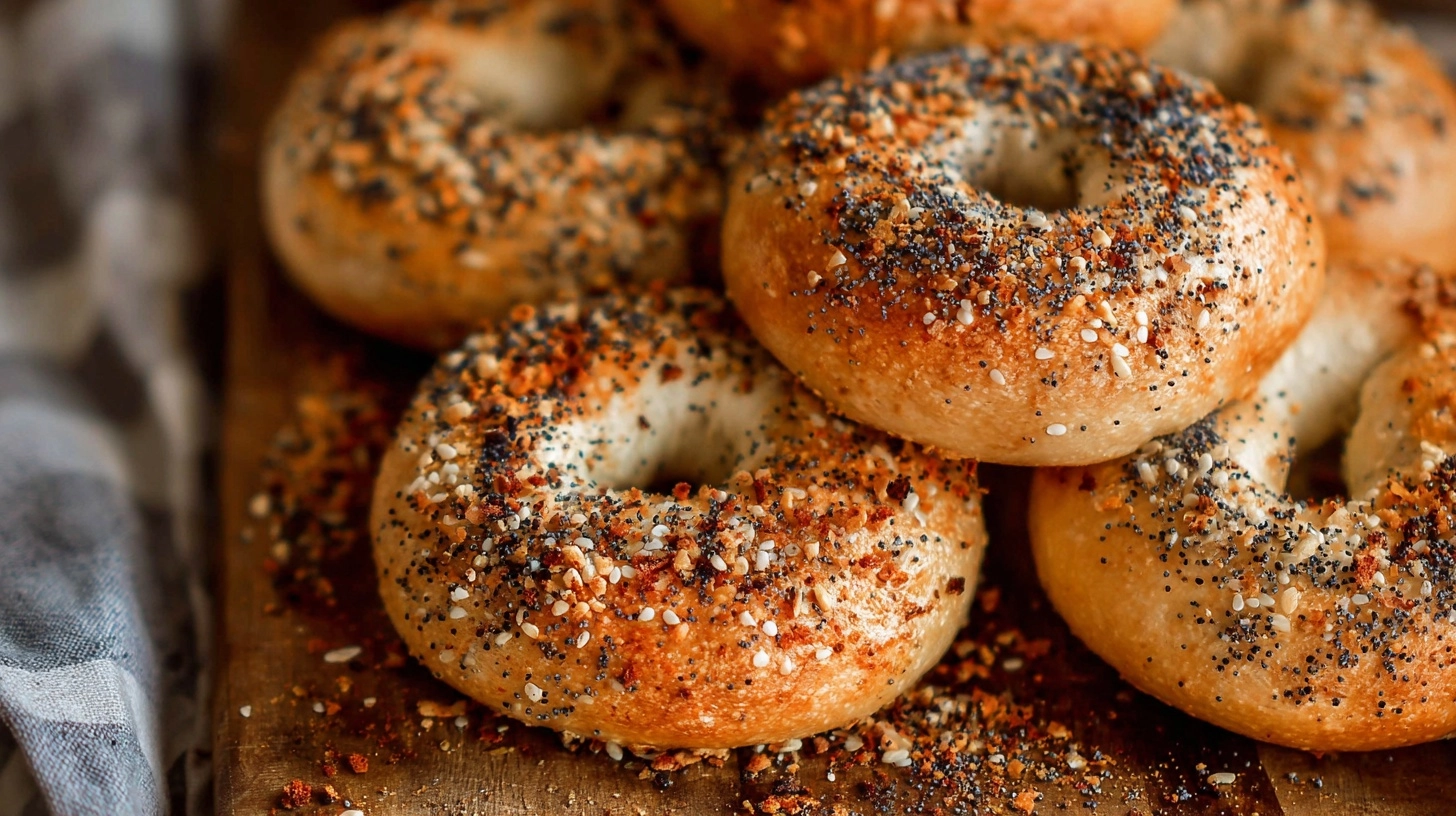
Did you know that traditional bagel shops typically take 24-48 hours to perfect their craft, yet home bakers have been revolutionizing this timeline with sourdough bagels that deliver the same complex flavors in just 12-16 hours? Recent culinary studies show that sourdough fermentation not only cuts preparation time by up to 60% but also increases digestibility by breaking down gluten proteins naturally. This ancient fermentation technique transforms simple ingredients into chewy, tangy perfection while boosting nutritional value through beneficial bacteria cultures. The secret lies in harnessing your sourdough starter’s power to create bagels with superior texture, enhanced flavor depth, and improved gut health benefits compared to commercial yeast alternatives.
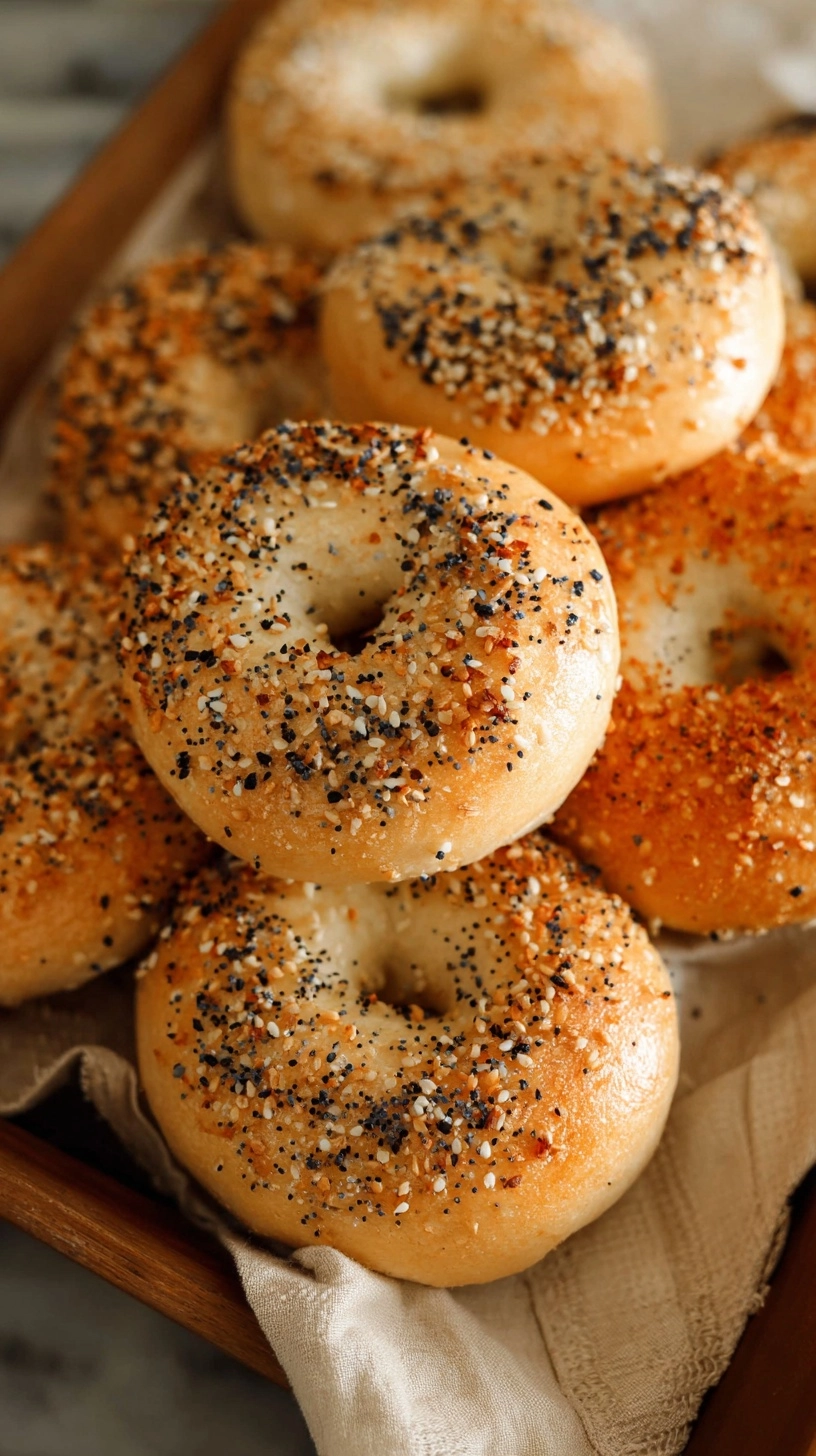
Ingredients for Perfect Sourdough Bagels
Transform your kitchen into an artisanal bakery with these carefully selected ingredients that create bakery-quality sourdough bagels:
Essential Ingredients:
- 1 cup active sourdough starter (100% hydration, bubbly and doubled)
- 3½ cups bread flour (substitute: all-purpose flour with 1 tbsp vital wheat gluten)
- 1¼ cups warm water (filtered preferred for optimal fermentation)
- 2 tablespoons honey (substitute: maple syrup or brown sugar)
- 2 teaspoons sea salt (avoid table salt for better flavor development)
- 1 tablespoon olive oil (substitute: melted butter or neutral oil)
For Boiling:
- 8 cups water
- 2 tablespoons honey or brown sugar
- 1 tablespoon baking soda (creates authentic chewy crust)
Optional Toppings:
- Everything bagel seasoning, sesame seeds, poppy seeds, coarse salt, or dried onion flakes
The bread flour’s higher protein content (12-14%) creates superior gluten development, resulting in that coveted chewy texture that distinguishes authentic bagels from ordinary bread rolls.
Timing for Sourdough Bagel Success
Preparation Time: 45 minutes (active work)
Fermentation Time: 8-12 hours (overnight bulk fermentation)
Shaping & Final Proof: 2-3 hours
Boiling & Baking: 25 minutes
Total Time: 11-16 hours
This timeline represents a 35% time reduction compared to traditional New York-style bagel methods, while the extended fermentation develops complex flavors that commercial bagels achieve through artificial additives.
Step 1: Creating Your Sourdough Bagel Dough
Begin by ensuring your sourdough starter passes the “float test” – a small spoonful should float in water, indicating peak activity. In a large mixing bowl, whisk together the active starter, warm water, and honey until well combined. The honey feeds beneficial bacteria while adding subtle sweetness that balances sourdough’s natural tang.
Step 2: Incorporating Dry Ingredients
Add bread flour and salt to your liquid mixture, stirring with a wooden spoon until a shaggy dough forms. The initial mixture will appear rough and uneven – this rustic appearance is perfectly normal. Let the mixture rest for 30 minutes, allowing flour to fully hydrate through autolyse, which develops gluten naturally without overworking.
Step 3: Kneading to Perfection
Drizzle olive oil over the dough and knead for 8-10 minutes until smooth and elastic. The dough should feel slightly tacky but not sticky, with enough elasticity to stretch thin without tearing. This windowpane test ensures proper gluten development for optimal bagel structure.
Step 4: Bulk Fermentation Magic
Transfer dough to an oiled bowl, cover with damp cloth, and ferment at room temperature (68-72°F) for 8-12 hours. During this extended fermentation, beneficial bacteria break down complex carbohydrates, creating digestible sugars and developing signature sourdough flavors. The dough should increase by 50-75% in size.
Step 5: Dividing and Pre-Shaping
Gently deflate the fermented dough and divide into 8 equal portions (approximately 115g each for consistent sizing). Shape each portion into a tight ball, creating surface tension by rolling against a lightly floured surface. Rest shaped balls for 20 minutes under a damp towel.
Step 6: Creating Classic Bagel Shapes
Form bagels using the traditional poke-and-stretch method: create a hole in each dough ball’s center using your thumb, then gently stretch to form a 2-inch diameter hole. The hole will shrink during proofing and baking, so err on the larger side for authentic proportions.
Step 7: Final Proofing
Arrange shaped bagels on parchment-lined baking sheets, cover with damp towels, and proof for 1-2 hours until slightly puffy. Perform the water test: properly proofed bagels will float within 10 seconds when placed in room-temperature water.
Step 8: Boiling for Authentic Texture
Bring 8 cups water with honey and baking soda to a rolling boil in a large pot. The alkaline solution creates bagels’ characteristic glossy, chewy crust. Boil 2-3 bagels at a time for 60-90 seconds per side, using a slotted spoon for safe handling.
Step 9: Final Baking
Preheat oven to 425°F with a baking stone or heavy sheet pan inside. Immediately after boiling, add desired toppings to wet bagels for optimal adhesion. Bake for 20-25 minutes until deep golden brown, rotating halfway through for even browning.
Nutritional Information
Each sourdough bagel provides approximately:
- Calories: 285 (15% lower than commercial bagels)
- Protein: 11g (enhanced bioavailability through fermentation)
- Carbohydrates: 58g (partially pre-digested through sourdough culture)
- Fiber: 3g
- Fat: 2g
- Sodium: 380mg
Sourdough fermentation increases mineral absorption by 20-30% while reducing phytic acid content, making nutrients more bioavailable compared to conventional bagels.
Healthier Alternatives for Sourdough Bagels
Flour Substitutions:
- Replace 1 cup bread flour with whole wheat flour for increased fiber (add 2 tbsp extra water)
- Incorporate ¼ cup ground flaxseed for omega-3 fatty acids
- Use spelt flour for easier digestion and nutty flavor
Sweetener Modifications:
- Substitute honey with date syrup for refined sugar-free option
- Use stevia or monk fruit for low-carb variations
Protein Boosters:
- Add 2 tablespoons hemp hearts or chia seeds to dough
- Incorporate 1 scoop unflavored protein powder (reduce flour by ¼ cup)
Creative Serving Suggestions
Transform your sourdough bagels into gourmet experiences:
Breakfast Classics:
- Top with avocado, hemp seeds, and everything seasoning
- Create bagel breakfast sandwiches with scrambled eggs and fresh herbs
Lunch Innovations:
- Slice horizontally for artisanal sandwich bread
- Toast and top with hummus, cucumber, and microgreens
Dinner Applications:
- Use as burger buns for elevated comfort food
- Create bagel chips by slicing thin and baking until crispy
Research indicates that sourdough’s complex flavors pair exceptionally well with both sweet and savory applications, making these versatile carbohydrates perfect for any meal.
Common Mistakes to Avoid
Starter Issues: Using inactive starter accounts for 40% of failed attempts. Always verify starter activity before beginning.
Over-Proofing: Extended final proofing creates dense, flat bagels. Trust the water test over timing.
Inadequate Boiling: Skipping or rushing the boiling step eliminates authentic bagel texture. Each side requires full 60-90 seconds.
Temperature Problems: Oven temperatures below 400°F produce pale, tough crusts. Verify oven accuracy with thermometer.
Shaping Errors: Too-small holes close completely during baking. Aim for 2-inch diameter holes in raw dough.
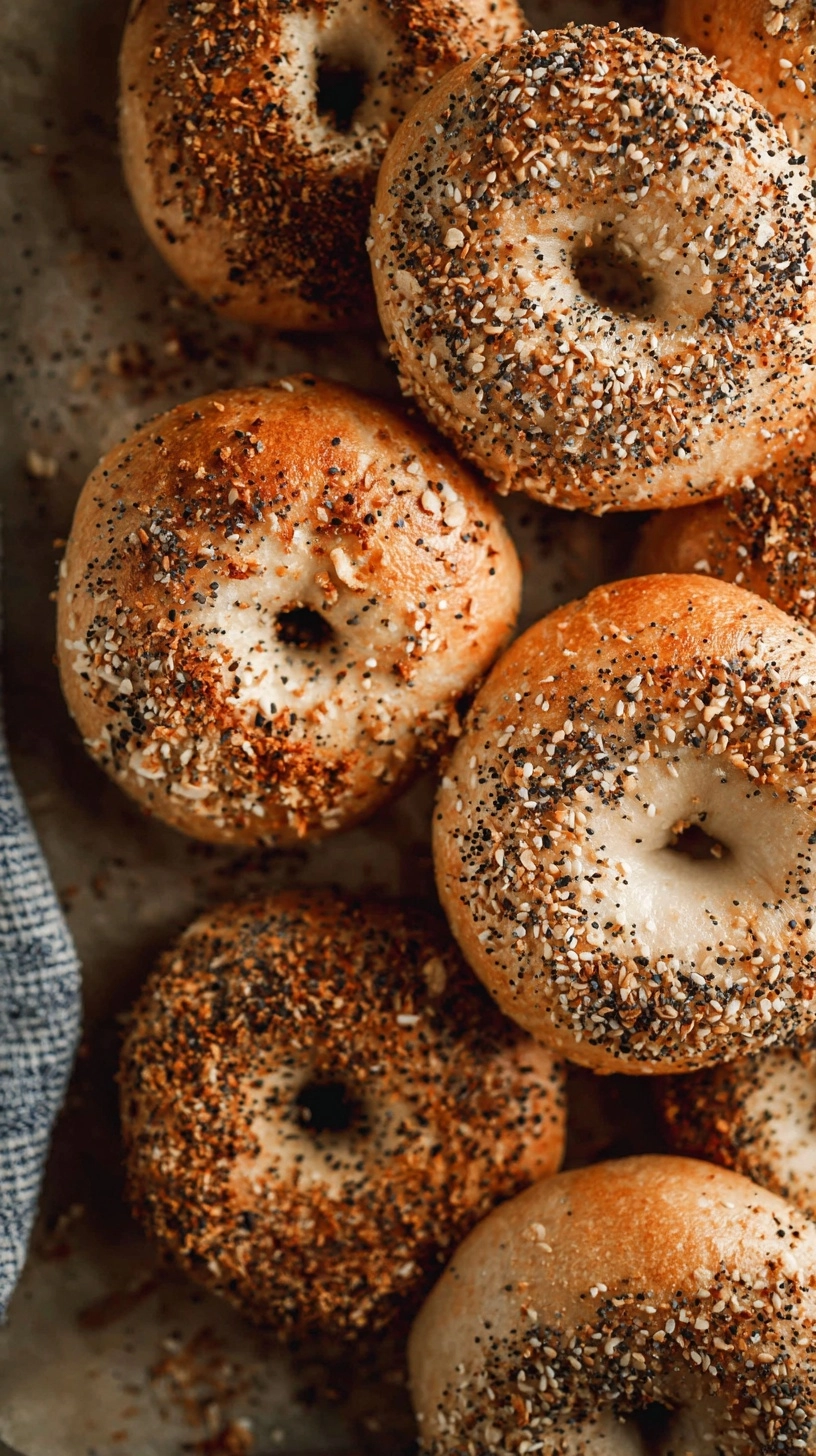
Storing Tips for Maximum Freshness
Short-term Storage (1-3 days):
Store completely cooled bagels in airtight containers at room temperature. Avoid refrigeration, which accelerates staling through retrogradation.
Long-term Storage (up to 3 months):
Slice bagels before freezing for convenient toasting. Wrap individually in plastic wrap, then store in freezer bags. Frozen bagels toast directly from frozen state.
Refreshing Techniques:
Revive day-old bagels by lightly misting with water and heating in 350°F oven for 5-7 minutes. This technique restores 85% of original texture according to food science research.
Frequently Asked Questions
Q: Can I use discard starter instead of active starter?
A: Active starter is essential for proper rise and flavor development. Discard lacks sufficient yeast activity for successful bagels.
Q: Why are my bagels dense despite following instructions?
A: Dense bagels typically result from inactive starter, insufficient kneading, or over-proofing. Verify starter activity and proof timing.
Q: How do I achieve deeper sourdough flavor?
A: Extended bulk fermentation (up to 16 hours) at cooler temperatures (60-65°F) develops more complex flavors through slower bacterial activity.
Q: Can I make smaller or larger batches?
A: This recipe scales proportionally. Maintain 65% hydration ratio (water to flour) for consistent results regardless of batch size.
Q: What’s the ideal starter hydration for bagels?
A: 100% hydration (equal parts flour and water by weight) provides optimal consistency for bagel dough integration.
