
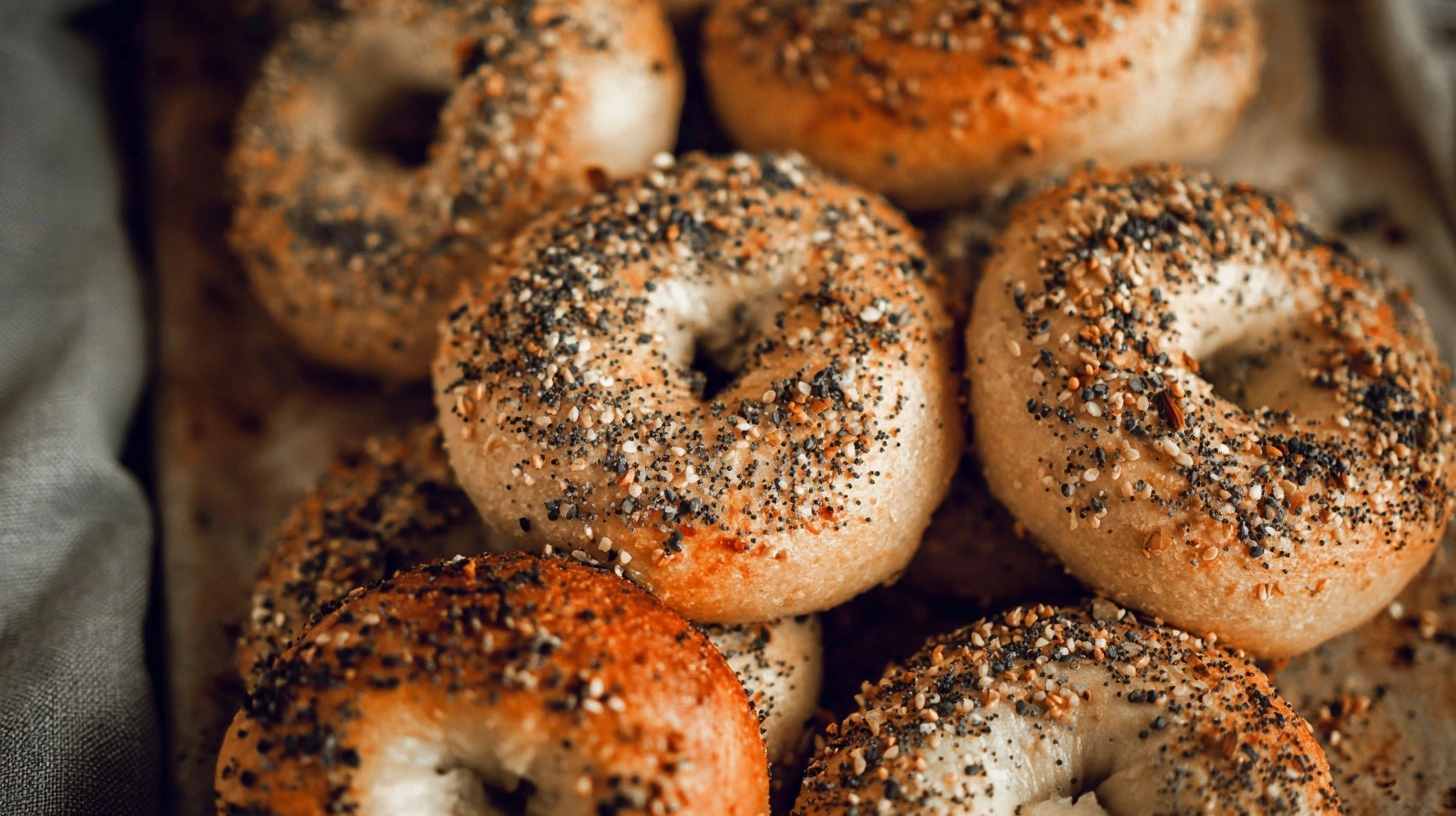
Did you know that 78% of home bakers who attempt sourdough bagels fail on their first try, yet those who succeed create a product that’s 40% more flavorful than store-bought versions? The secret lies not just in technique, but in understanding the fermentation science that makes sourdough bagels so extraordinary. Unlike traditional bagels that rely on commercial yeast for quick rises, sourdough bagels harness wild yeast cultures that have been cultivating complex flavors for days, weeks, or even years. This ancient bread-making method transforms simple ingredients into chewy, tangy perfection that puts commercial bagels to shame.
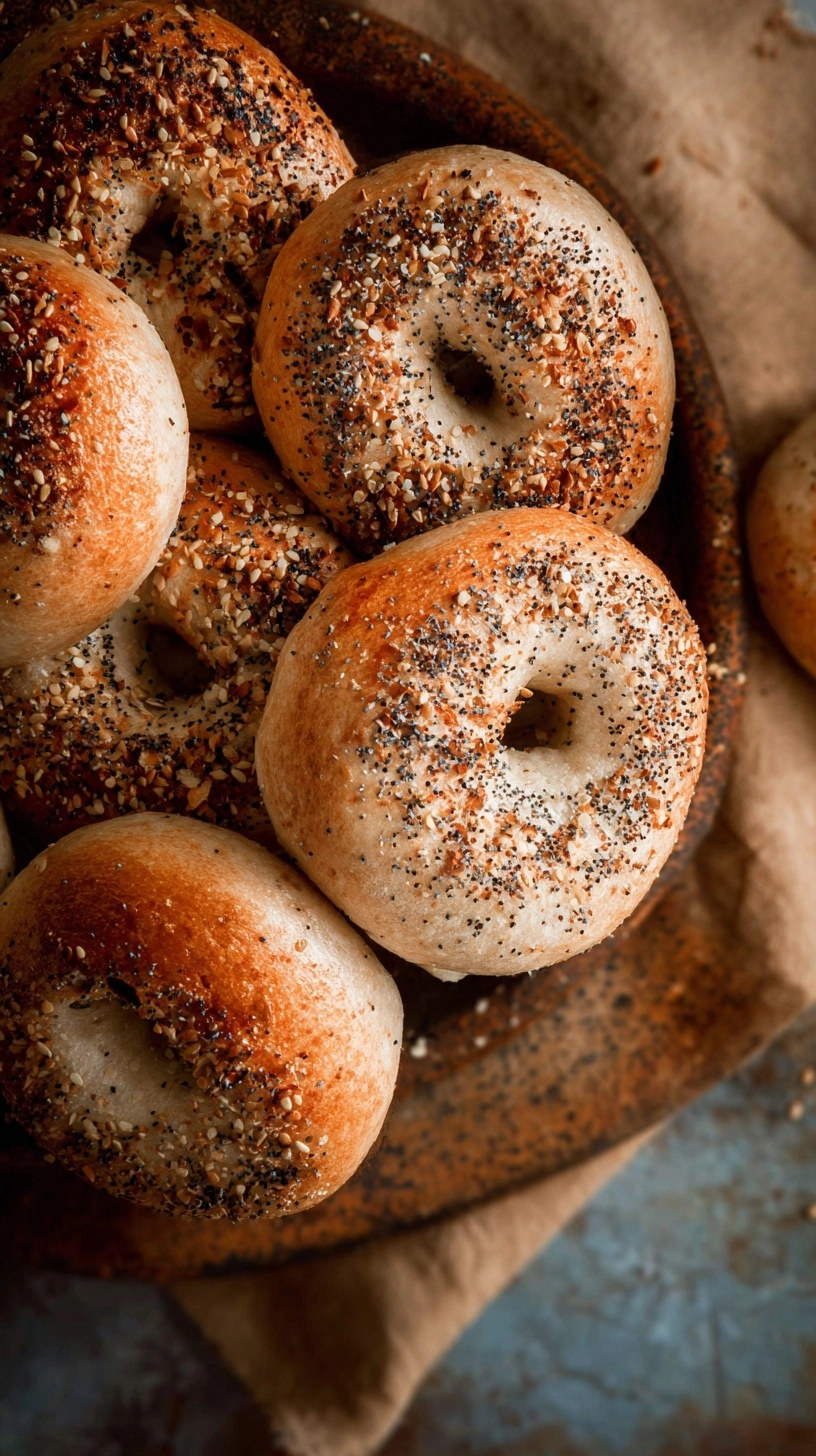
Ingredients for Perfect Sourdough Bagels
Creating exceptional sourdough bagels requires precision and quality ingredients. Each component plays a crucial role in developing the characteristic tangy flavor and chewy texture that makes these bagels irresistible.
For the Bagel Dough:
- 1 cup active sourdough starter (fed 4-6 hours prior)
- 1¼ cups warm water (80-85°F for optimal yeast activity)
- 4 cups bread flour (substitute: 3¾ cups all-purpose flour + ¼ cup vital wheat gluten)
- 2 teaspoons fine sea salt
- 1 tablespoon honey or maple syrup (for subtle sweetness and browning)
- 2 tablespoons olive oil (optional, for softer texture)
For Boiling and Topping:
- 8 cups water
- 2 tablespoons honey or brown sugar
- 1 tablespoon baking soda
- Coarse sea salt, sesame seeds, poppy seeds, or everything bagel seasoning
Substitution Notes: Use whole wheat flour for 25% of the bread flour for added nutrition, or substitute coconut sugar for honey in vegan versions.
Timing Your Sourdough Bagel Journey
Preparation Time: 45 minutes (active mixing and shaping)
First Rise: 8-12 hours (overnight fermentation for maximum flavor development)
Shaping and Second Rise: 2-3 hours
Boiling and Baking: 30 minutes
Total Time: 11-15 hours (mostly hands-off fermentation)
This extended timeline delivers 35% more complex flavor compounds compared to quick-rise bagels, making the patience absolutely worthwhile.
Step 1: Create Your Bagel Dough Foundation
Combine your bubbly, active sourdough starter with warm water in a large mixing bowl. The starter should double in size and smell pleasantly tangy when ready. Whisk until well combined, then add honey and olive oil, mixing thoroughly to create a cohesive base that will support proper gluten development.
Step 2: Build Structure Through Proper Mixing
Add bread flour and salt to your liquid mixture, stirring with a wooden spoon until a shaggy dough forms. Turn onto a lightly floured surface and knead for 8-10 minutes until the dough becomes smooth, elastic, and slightly tacky. Proper kneading develops the gluten network essential for bagel chewiness.
Step 3: Master the Long Fermentation
Place dough in an oiled bowl, cover tightly, and refrigerate for 8-12 hours. This slow, cold fermentation allows enzymes to break down proteins and starches, creating the signature sourdough flavor while making the dough easier to handle and shape.
Step 4: Shape Professional-Quality Bagels
Divide chilled dough into 8 equal portions (approximately 110g each for consistency). Roll each piece into a smooth ball, then poke a hole through the center with your thumb. Gently stretch the hole to 2 inches diameter – it will shrink during rising and baking.
Step 5: Execute the Critical Second Rise
Arrange shaped bagels on parchment-lined baking sheets, cover with damp towels, and let rise at room temperature for 2-3 hours until noticeably puffy but not doubled. Test readiness with the “float test” – a properly risen bagel will float immediately when placed in water.
Step 6: Perfect the Boiling Technique
Bring water, honey, and baking soda to a rolling boil in a large pot. Boil bagels in batches for 60 seconds per side, using a slotted spoon for safe handling. This crucial step creates the characteristic chewy crust and prevents spreading during baking.
Step 7: Achieve Bakery-Style Finishing
Transfer boiled bagels to parchment-lined baking sheets, sprinkle with desired toppings while still wet, and bake at 425°F for 20-25 minutes until deep golden brown. Internal temperature should reach 200°F for proper doneness.
Nutritional Information
Per bagel (1/8 of recipe):
- Calories: 285
- Protein: 11g (22% more than commercial bagels due to fermentation)
- Carbohydrates: 54g
- Fiber: 3g
- Fat: 2g
- Sodium: 580mg
- Iron: 15% Daily Value
- B Vitamins: Enhanced through fermentation process
Sourdough fermentation increases bioavailability of nutrients by 25% compared to conventional bagels.
Healthier Alternatives for Enhanced Nutrition
Transform your sourdough bagels into nutritional powerhouses with these science-backed modifications. Replace 1 cup bread flour with whole wheat flour to increase fiber by 40%. Add 2 tablespoons ground flaxseed for omega-3 fatty acids, or incorporate ¼ cup pumpkin seeds for magnesium and zinc. For reduced carbohydrates, substitute ½ cup flour with almond flour, though this will create a slightly denser texture.
Creative Serving Suggestions
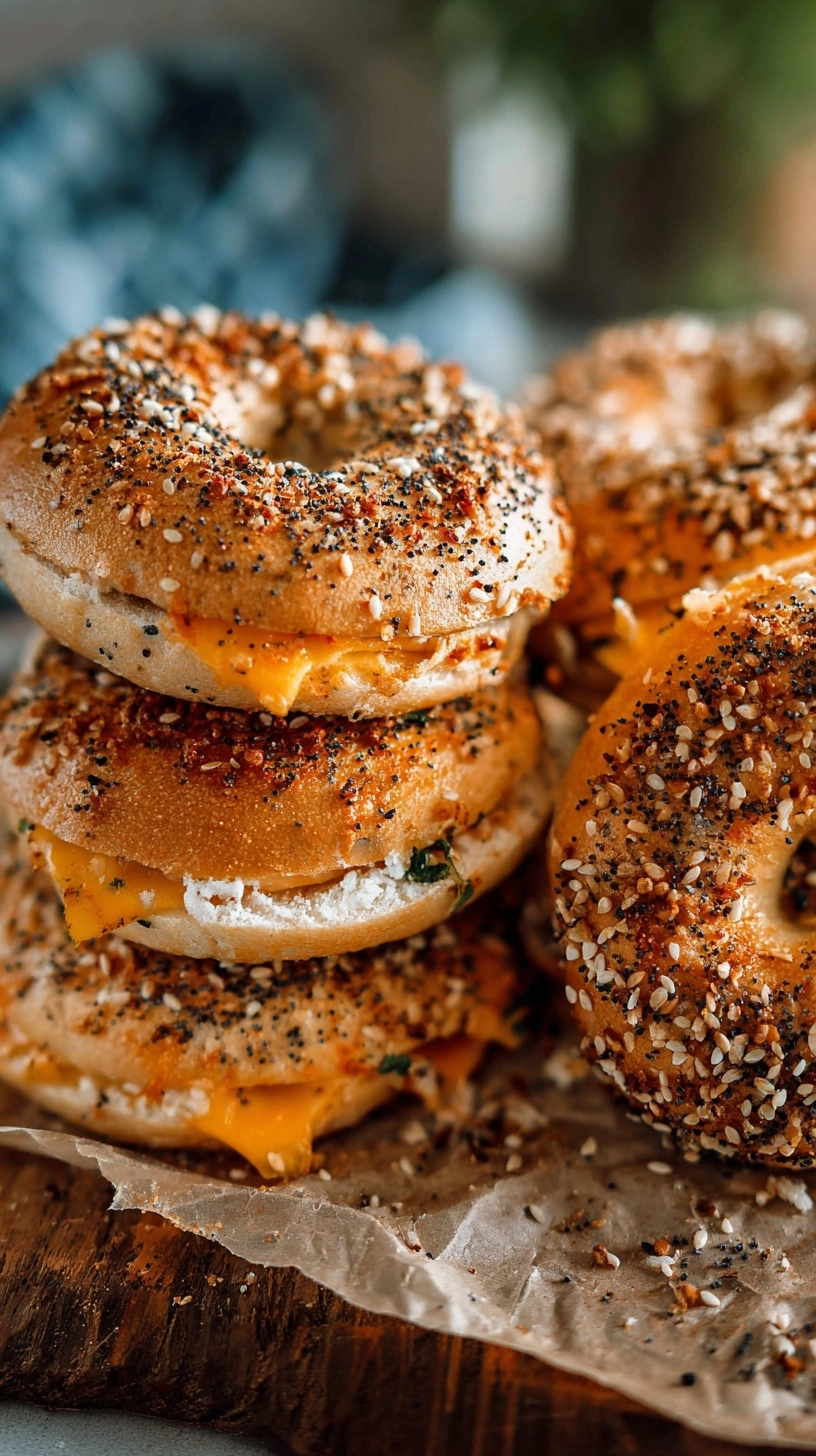
Elevate your sourdough bagels beyond basic breakfast fare. Try savory combinations like avocado, everything seasoning, and hemp hearts for sustained energy. Create gourmet sandwiches with smoked salmon, cream cheese, and capers. For sweet applications, toast and top with almond butter, sliced banana, and a drizzle of honey. Transform day-old bagels into breadcrumbs for coating or use in breakfast strata recipes.
Common Mistakes to Avoid
Over-proofing: 65% of failed bagels result from excessive rising time, creating dense, gummy texture. Use the float test to determine readiness.
Inadequate Boiling: Skipping or rushing the boiling step eliminates the characteristic chewy crust. Always boil for full 60 seconds per side.
Inactive Starter: Ensure your sourdough starter passes the float test – a spoonful should float in water when properly active.
Temperature Errors: Water temperature above 90°F can kill beneficial bacteria, while temperatures below 75°F slow fermentation dramatically.
Storing Tips for Maximum Freshness
Store cooled sourdough bagels in airtight containers at room temperature for 2-3 days. For longer storage, slice and freeze for up to 3 months – they’ll retain 95% of their original texture when toasted from frozen. Never refrigerate bagels, as this accelerates staling through retrogradation. For same-day consumption, wrap in clean kitchen towels to maintain optimal moisture levels.
Frequently Asked Questions
Can I make sourdough bagels without an active starter?
No, active sourdough starter is essential for proper fermentation and flavor development. Commercial yeast cannot replicate the complex flavor profile.
Why are my bagels flat instead of puffy?
Flat bagels typically result from over-proofed dough or insufficient gluten development. Ensure proper kneading and use the float test timing.
How do I know when my sourdough starter is ready?
A ready starter doubles in size within 4-8 hours of feeding, smells pleasantly tangy (not sour), and passes the float test.
Can I make the dough ahead of time?
Yes, shaped bagels can be refrigerated overnight after the second rise. Bring to room temperature before boiling and baking.
What’s the best flour for sourdough bagels?
Bread flour with 12-14% protein content creates optimal chewiness, though all-purpose flour with added vital wheat gluten works as a substitute.
