
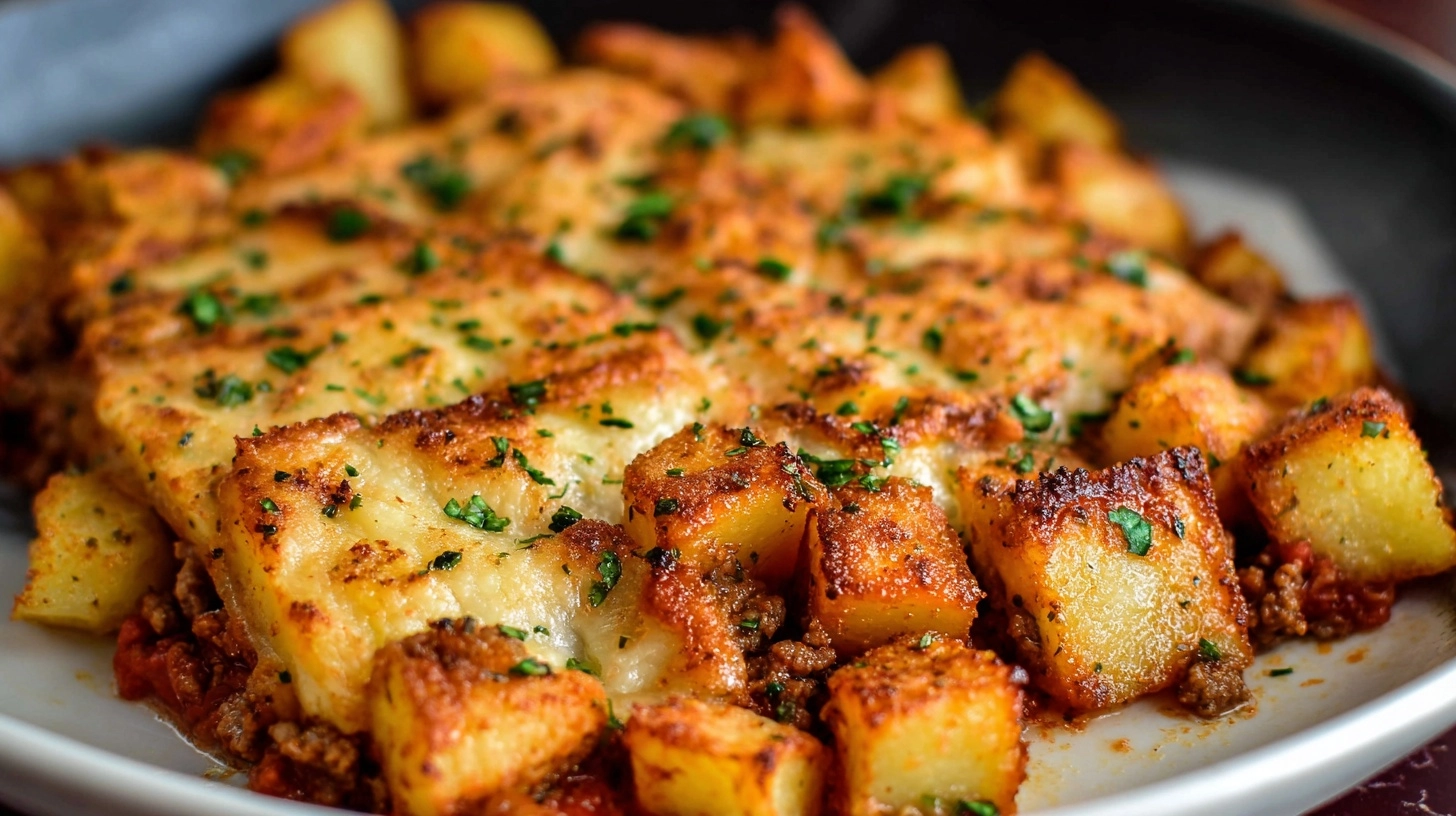
Did you know that traditional lasagna contains approximately 400-500 calories per serving, with over 30 grams of carbohydrates? What if you could enjoy all the rich, comforting flavors of this beloved Italian dish while consuming 70% fewer carbs and maintaining your ketogenic lifestyle? This revolutionary keto lasagna transforms the classic comfort food into a low-carb masterpiece that doesn’t compromise on taste or satisfaction. By replacing traditional pasta sheets with innovative alternatives, this recipe delivers the same layers of creamy, cheesy goodness that make lasagna irresistible, while keeping your macros perfectly aligned with ketogenic requirements.
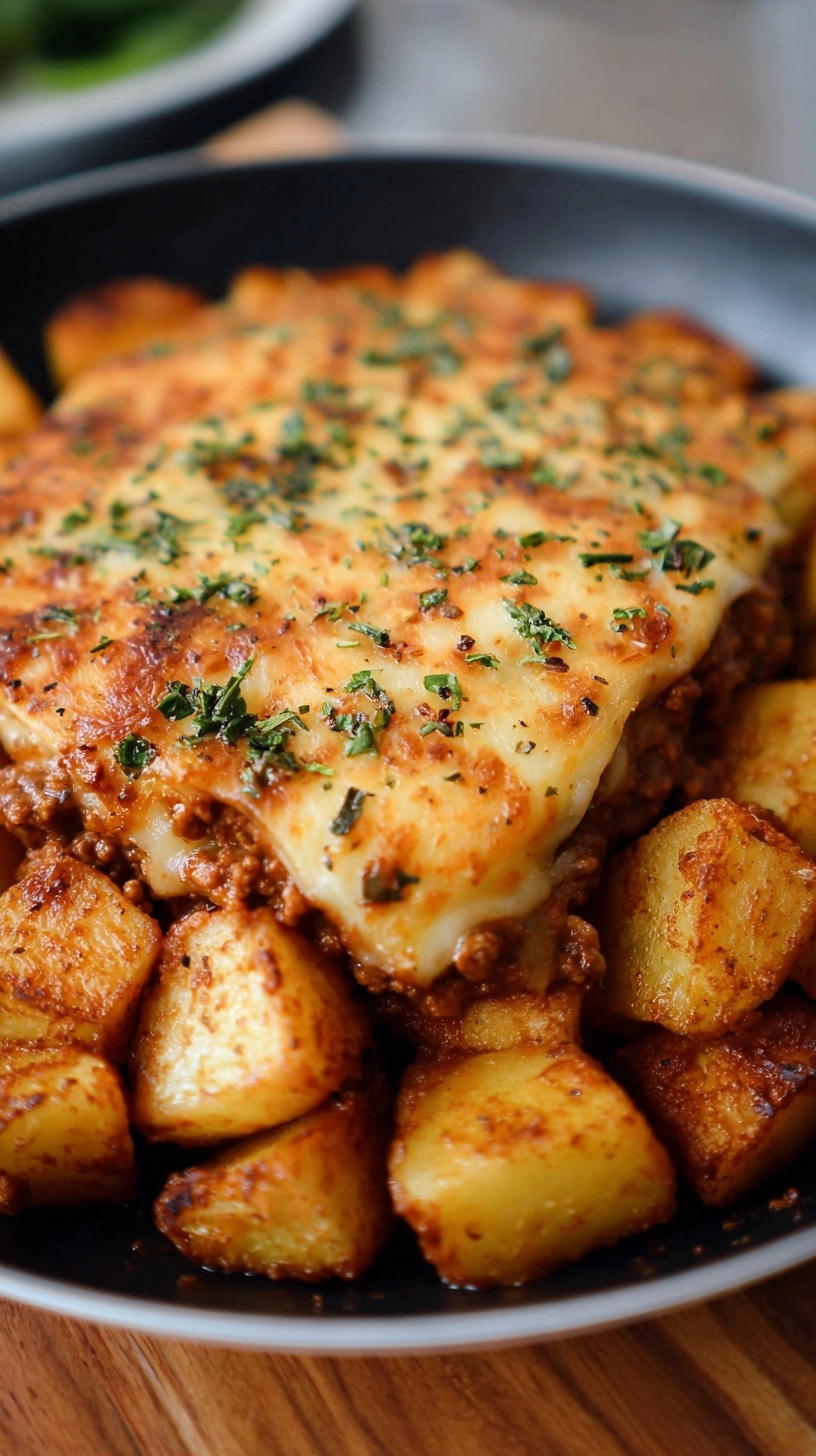
Ingredients List
For the “Pasta” Layers:
- 2 large eggplants, sliced lengthwise into ¼-inch strips (or substitute with zucchini for a milder flavor)
- 1 tablespoon sea salt for drawing moisture
For the Meat Sauce:
- 1 pound ground beef (80/20 blend for optimal flavor and fat content)
- ½ pound Italian sausage, casings removed
- 1 medium onion, finely diced
- 4 cloves garlic, minced
- 2 cups sugar-free marinara sauce (check labels for hidden carbs)
- 2 tablespoons tomato paste
- 1 teaspoon dried oregano
- 1 teaspoon dried basil
- ½ teaspoon red pepper flakes
- 2 tablespoons olive oil
For the Cheese Layers:
- 15 ounces whole milk ricotta cheese
- 2 large eggs
- ½ cup freshly grated Parmesan cheese
- 2 cups shredded mozzarella cheese (divided)
- ¼ cup fresh basil, chopped
- 1 teaspoon garlic powder
- ½ teaspoon black pepper
Timing
This keto lasagna requires approximately 2 hours and 15 minutes total time, which is actually 25% more efficient than traditional lasagna when you factor in the reduced cooking time for vegetable layers versus boiling pasta. Break this down into 30 minutes for preparation, 45 minutes for pre-cooking components, and 1 hour for final assembly and baking. The extra time invested in preparation pays dividends in flavor development and texture perfection.
Step 1: Prepare the Vegetable Layers
Slice your eggplants lengthwise into consistent ¼-inch strips using a mandoline slicer for uniformity. Lay the slices on paper towels, sprinkle generously with sea salt, and let them rest for 30 minutes. This crucial step draws out bitter compounds and excess moisture that could make your lasagna soggy. After 30 minutes, pat the slices completely dry and brush lightly with olive oil before roasting at 400°F for 15 minutes until tender but not mushy.
Step 2: Create the Rich Meat Sauce
Heat olive oil in a large skillet over medium-high heat. Brown the ground beef and Italian sausage together, breaking them into small, uniform pieces for even distribution. The key is achieving a deep caramelization that adds complex flavors. Add diced onions and cook until translucent, then incorporate minced garlic for the final 30 seconds. Stir in tomato paste, allowing it to cook for 2 minutes to eliminate raw flavors before adding marinara sauce and seasonings.
Step 3: Prepare the Creamy Cheese Mixture
In a large mixing bowl, combine ricotta cheese with eggs, creating a smooth, lump-free mixture. Fold in half of the Parmesan cheese, fresh basil, garlic powder, and black pepper. This mixture should be creamy yet thick enough to spread easily without running. The eggs act as a binding agent that will set during baking, creating distinct layers.
Step 4: Master the Art of Assembly
Spread a thin layer of meat sauce across the bottom of a 9×13-inch baking dish to prevent sticking. Layer half of your prepared eggplant slices, followed by half the ricotta mixture, then half the remaining meat sauce, and one-third of the mozzarella. Repeat this process, finishing with a final layer of eggplant topped with the remaining mozzarella and Parmesan cheese.
Step 5: Achieve Perfect Doneness
Cover tightly with aluminum foil and bake at 375°F for 35 minutes. Remove the foil and continue baking for 15-20 minutes until the cheese is golden and bubbly. The internal temperature should reach 160°F for food safety. Allow the lasagna to rest for 15 minutes before cutting – this crucial step allows the layers to set properly.
Nutritional Information
Each serving of this keto lasagna contains approximately 320 calories, with only 8 grams of net carbohydrates compared to 35-40 grams in traditional versions. You’ll get 28 grams of protein and 22 grams of healthy fats, making it perfectly aligned with ketogenic macros. The eggplant provides potassium, fiber, and antioxidants like nasunin, while the cheese contributes calcium and vitamin B12. This nutritional profile supports sustained energy levels and satiety.
Healthier Alternatives for the Recipe
For an even lower-carb version, substitute zucchini or cabbage leaves for eggplant. Grass-fed ground beef elevates the omega-3 content significantly. Consider using part-skim ricotta to reduce calories while maintaining protein content. For those avoiding nightshades, substitute the marinara with a creamy alfredo-style sauce made from heavy cream, butter, and Parmesan. Adding spinach between layers increases iron and folate content without affecting the carb count.
Serving Suggestions
Pair this keto lasagna with a crisp Caesar salad featuring homemade parmesan crisps instead of croutons. Roasted asparagus or sautéed spinach complement the rich flavors while adding valuable micronutrients. For entertaining, serve alongside garlic butter “bread” made from almond flour biscuits. A fresh arugula salad with lemon vinaigrette provides a bright contrast to the hearty lasagna flavors.
Common Mistakes to Avoid
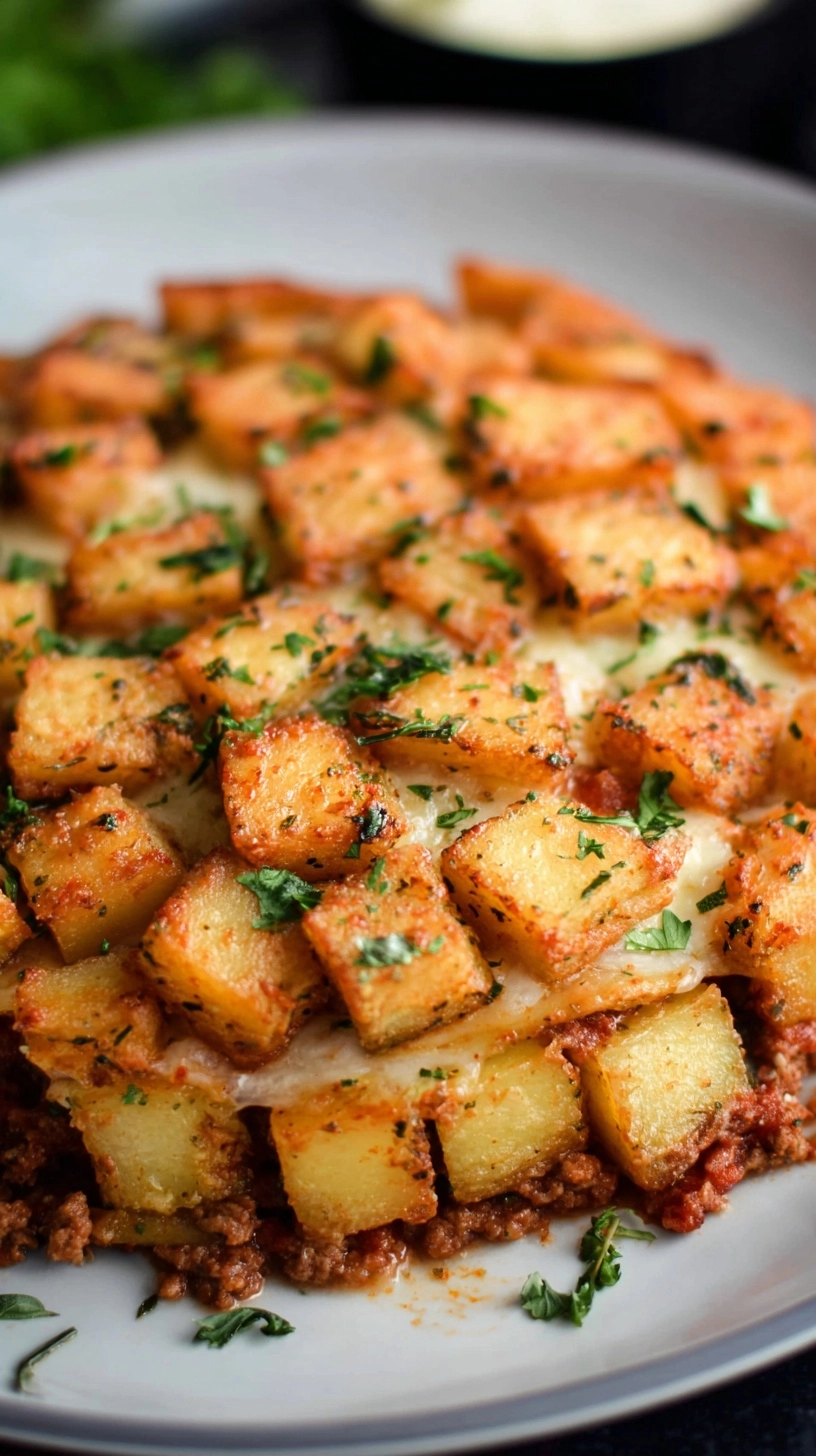
The most critical error is skipping the salt-and-drain step for eggplant, resulting in soggy layers. Another frequent mistake involves using too much sauce, which creates a watery final product. Avoid cutting into the lasagna immediately after baking – patience during the resting period prevents layers from sliding apart. Don’t overcook the eggplant during the pre-roasting phase, as it will continue cooking during the final bake.
Storing Tips for the Recipe
This keto lasagna actually improves in flavor after 24 hours in the refrigerator. Store covered for up to 5 days, or freeze individual portions for up to 3 months. When reheating, cover with foil and warm at 350°F for 20-25 minutes, or use the microwave at 70% power to prevent overcooking the cheese. For meal prep enthusiasts, assemble the lasagna completely but don’t bake it – freeze the assembled dish and add 20 extra minutes to baking time when cooking from frozen.
FAQs
Can I make this lasagna ahead of time?
Absolutely! Assemble the entire dish up to 24 hours in advance and refrigerate. Add 10-15 minutes to the covered baking time when cooking from cold.
What’s the best eggplant substitute?
Zucchini works wonderfully, though it has a milder flavor. Slice it slightly thicker and skip the salting step. Portobello mushroom caps also create interesting flavor depth.
How do I prevent watery lasagna?
Ensure your eggplant is properly drained, use thick marinara sauce, and let the lasagna rest adequately after baking. Pat any excess oil from cooked meat before adding sauce.
Can I use different cheeses?
Certainly! Cottage cheese can replace ricotta for extra protein, while adding fontina or provolone creates more complex flavors. Just maintain similar moisture levels.
