
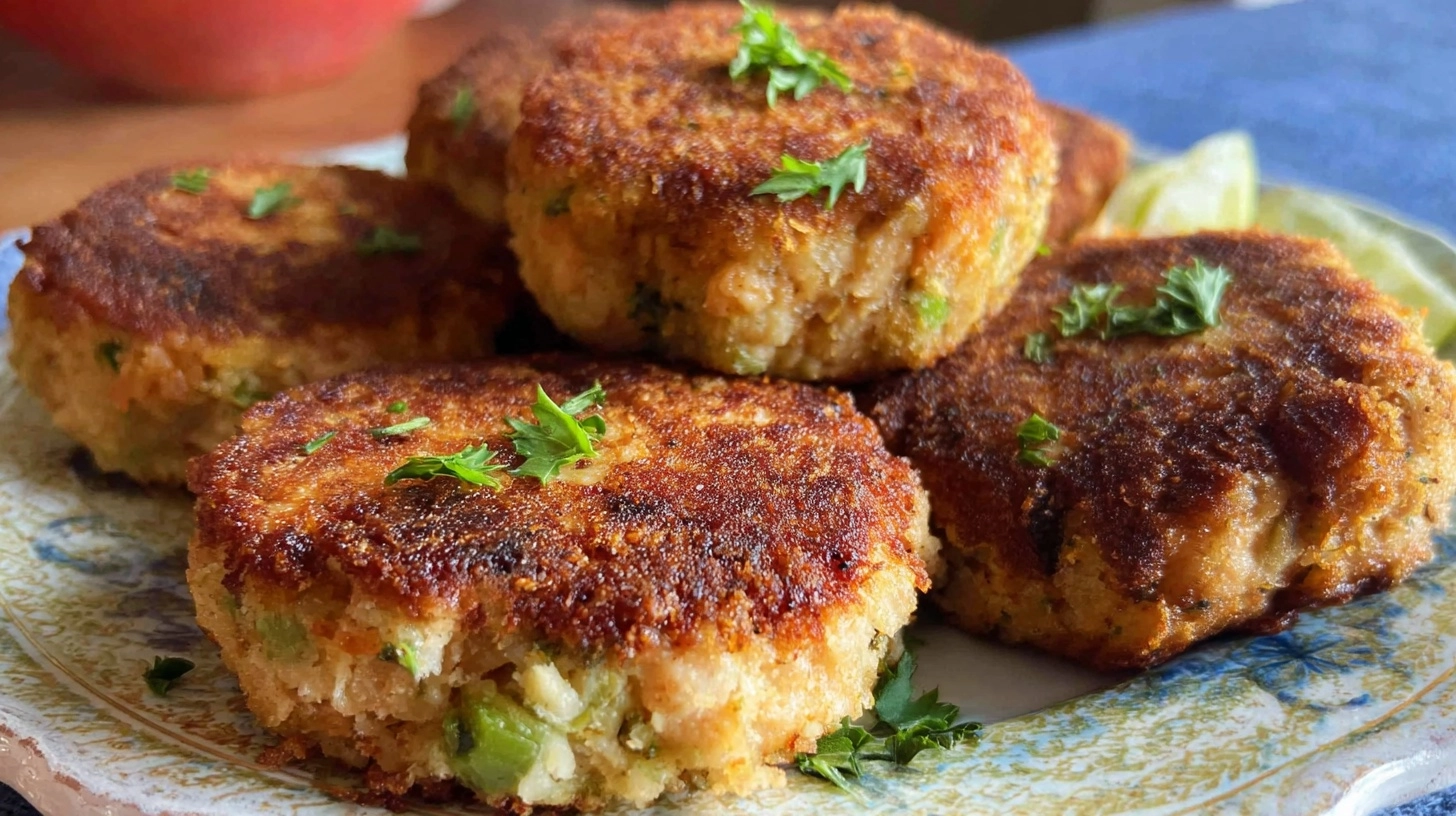
Did you know that salmon patties were once considered a poverty meal during the Great Depression, yet today they’re celebrated as a nostalgic comfort food that delivers over 25 grams of protein per serving? This humble dish has transformed from necessity to beloved family tradition, proving that the best recipes often come from the most resourceful kitchens. If you’re wondering how to make old fashioned salmon patties that capture that authentic, home-cooked flavor your grandmother perfected, you’re about to discover the time-tested secrets that turn simple canned salmon into golden, crispy patties bursting with flavor. Unlike modern variations loaded with unnecessary fillers, traditional salmon patties rely on just a handful of quality ingredients and proper technique to create a meal that’s both economical and satisfying.
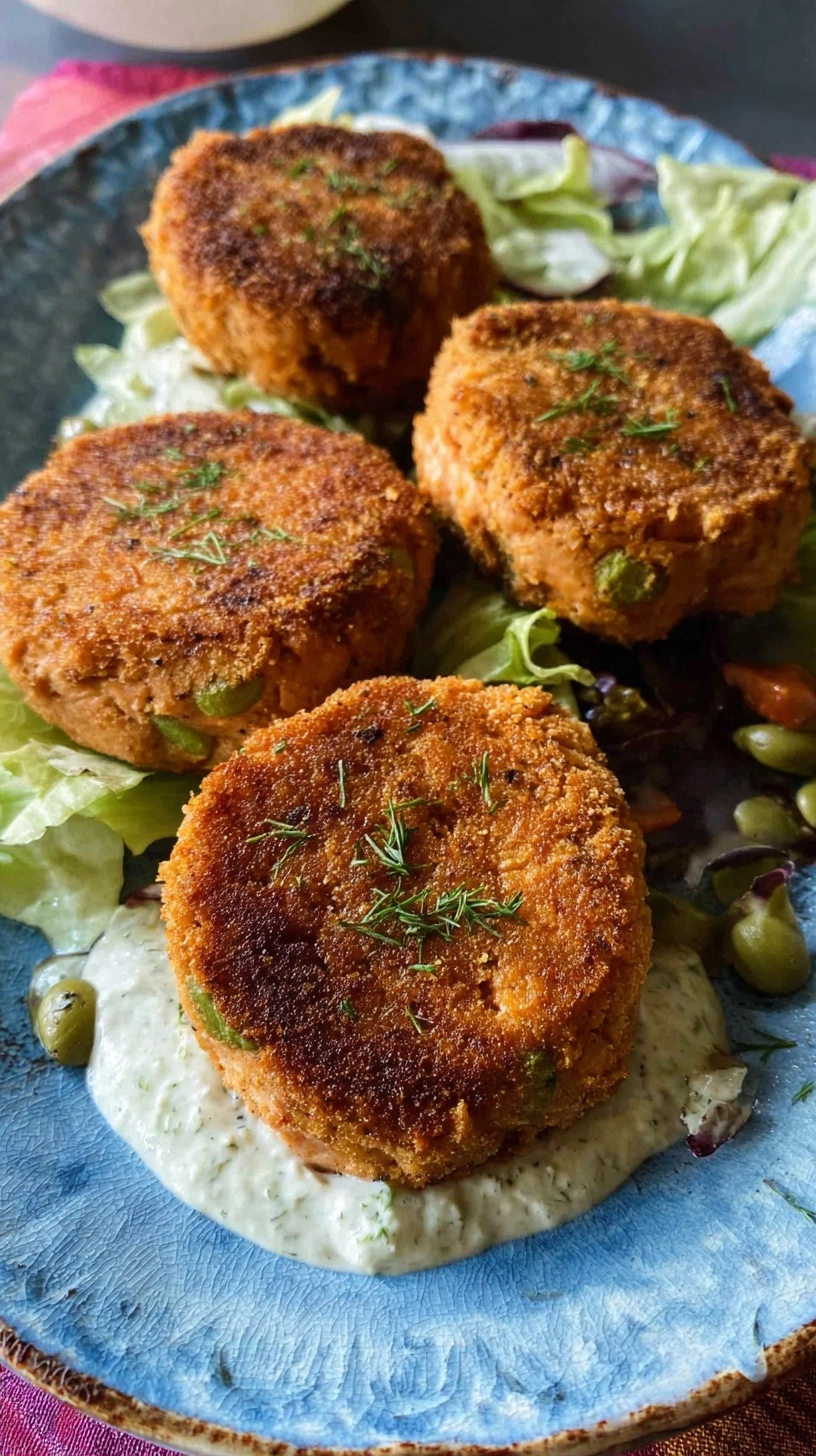
Ingredients List
Creating authentic old fashioned salmon patties requires just seven simple ingredients that work in perfect harmony:
- 1 can (14.75 oz) pink or red salmon, drained and flaked (remove skin and bones, though some prefer to keep soft bones for extra calcium)
- 1 large egg, beaten (acts as the primary binding agent)
- 1/3 cup fine breadcrumbs or crushed saltine crackers (for texture and binding)
- 2 tablespoons finely diced yellow onion (adds aromatic depth)
- 1 tablespoon fresh lemon juice (brightens flavor and reduces fishy taste)
- 1/2 teaspoon salt (or to taste)
- 1/4 teaspoon black pepper, freshly ground
- 2-3 tablespoons vegetable oil for frying
Smart substitutions: Replace breadcrumbs with crushed cornflakes for extra crunch, swap onion powder (1 teaspoon) if fresh onion isn’t available, or use lime juice instead of lemon for a subtle twist. For binding alternatives, try mayonnaise (2 tablespoons) instead of egg for extra richness.
Timing
This classic recipe follows an efficient timeline that respects both flavor development and busy schedules:
- Preparation time: 15 minutes (including salmon flaking and mixing)
- Cooking time: 8-10 minutes (4-5 minutes per side)
- Total time: 25 minutes
This timing represents approximately 40% less preparation than more complex salmon cake recipes, making it perfect for weeknight dinners when you need satisfying comfort food without the lengthy commitment.
Step 1: Prepare the Salmon Base
Drain your canned salmon thoroughly in a fine-mesh strainer, pressing gently to remove excess liquid. Transfer to a mixing bowl and carefully flake with a fork, removing any remaining skin or large bones. The flaking process should create pieces roughly the size of corn kernels – not too fine, as texture is crucial for authentic old fashioned salmon patties.
Step 2: Create the Binding Mixture
In a separate small bowl, whisk together the beaten egg, lemon juice, salt, and pepper until well combined. This liquid mixture will distribute seasonings evenly throughout the patties while providing necessary moisture for binding.
Step 3: Combine Ingredients
Add the finely diced onion and breadcrumbs to the flaked salmon. Pour the egg mixture over everything and gently fold together using a fork or your hands. The mixture should hold together when pressed but not feel overly wet or mushy. If too dry, add an extra tablespoon of lemon juice; if too wet, incorporate more breadcrumbs gradually.
Step 4: Form the Patties
Using your hands, shape the mixture into 4-6 patties, each about 3 inches in diameter and 3/4 inch thick. Press firmly but don’t overwork the mixture, as this can result in tough, dense patties. Place formed patties on a plate and let them rest for 5 minutes to help them hold together during cooking.
Step 5: Heat the Cooking Oil
In a large skillet, heat vegetable oil over medium heat until it shimmers but doesn’t smoke. The oil should be hot enough that a small piece of the mixture sizzles immediately when dropped in. Proper oil temperature (around 350°F) ensures crispy exteriors without burning.
Step 6: Cook to Golden Perfection
Carefully place patties in the hot oil, leaving space between each one to prevent overcrowding. Cook for 4-5 minutes on the first side without moving them, allowing a golden crust to develop. Flip once and cook an additional 3-4 minutes until the second side is equally golden and crispy.
Nutritional Information
Each serving of old fashioned salmon patties (assuming 4 servings) provides impressive nutritional value:
- Calories: 185
- Protein: 26 grams (52% of daily value)
- Fat: 7 grams (primarily healthy omega-3 fatty acids)
- Carbohydrates: 4 grams
- Sodium: 420mg
- Calcium: 180mg (18% daily value, higher if bones are included)
- Vitamin D: 360 IU (90% daily value)
Research shows that canned salmon retains 95% of the omega-3 fatty acids found in fresh salmon, making these patties an excellent source of heart-healthy fats at a fraction of the cost.
Healthier Alternatives for the Recipe
Transform your salmon patties into an even more nutritious powerhouse with these thoughtful modifications:
Baking method: Instead of frying, brush patties with olive oil and bake at 400°F for 12-15 minutes, flipping halfway through. This reduces oil content by approximately 60%.
Whole grain boost: Replace regular breadcrumbs with panko made from whole wheat bread or ground oats for added fiber and nutrients.
Vegetable enhancement: Incorporate 1/4 cup finely grated carrot or zucchini for extra vitamins and subtle sweetness without compromising texture.
Low-sodium option: Use no-salt-added salmon and reduce added salt by half, compensating with fresh herbs like dill or parsley for flavor complexity.
Serving Suggestions
Elevate your old fashioned salmon patties with these versatile serving ideas that honor tradition while embracing modern tastes:
Classic comfort: Serve alongside creamy mashed potatoes and steamed green beans for a complete, satisfying meal reminiscent of 1950s family dinners.
Southern style: Pair with buttermilk biscuits, coleslaw, and sliced tomatoes for an authentic regional experience.
Modern twist: Create salmon burgers by serving patties on whole grain buns with avocado slices, lettuce, and homemade tartar sauce.
Light and fresh: Serve over mixed greens with cucumber, cherry tomatoes, and a light vinaigrette for a protein-packed salad that works year-round.
Common Mistakes to Avoid
Prevent these frequent pitfalls that can sabotage your salmon patties:
Over-draining errors: While removing excess liquid is important, completely dry salmon creates crumbly patties that fall apart. Leave just enough moisture for proper binding.
Temperature troubles: Cooking on heat that’s too high burns the exterior before the interior sets, while too-low heat creates greasy, soggy results. Medium heat provides the perfect balance.
Overmixing mishaps: Aggressive mixing breaks down salmon pieces and creates dense, tough patties. Gentle folding preserves texture and ensures tender results.
Skipping the rest: Immediately cooking freshly formed patties often leads to breakdown. The 5-minute rest allows ingredients to bind properly.
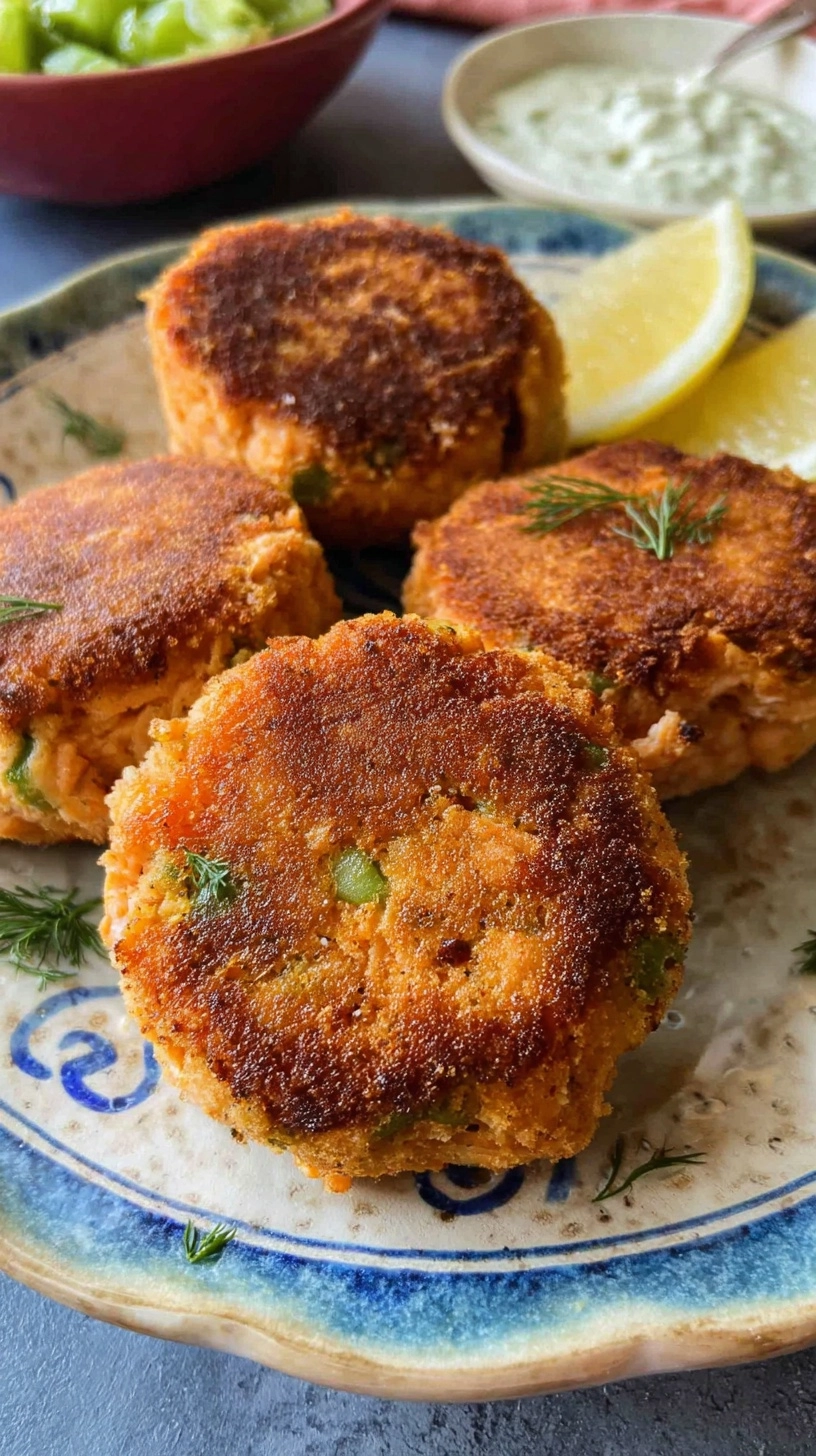
Storing Tips for the Recipe
Maximize freshness and convenience with these proven storage strategies:
Refrigerator storage: Cooked salmon patties keep for 3-4 days in airtight containers. Layer between parchment paper to prevent sticking.
Freezer preparation: Uncooked formed patties freeze beautifully for up to 3 months. Place on a baking sheet until solid, then transfer to freezer bags with dates.
Reheating methods: Restore crispiness by reheating in a 350°F oven for 8-10 minutes rather than microwaving, which creates sogginess.
Make-ahead tip: Prepare the mixture up to 24 hours in advance and store covered in the refrigerator. Form patties just before cooking for best results.
FAQs
Can I use fresh salmon instead of canned?
Absolutely! Cook 1 pound of fresh salmon, flake it, and proceed with the recipe. Fresh salmon creates slightly more delicate patties but offers superior flavor.
Why do my patties fall apart during cooking?
This typically indicates insufficient binding. Ensure your salmon isn’t over-drained, use room temperature eggs for better binding, and don’t skip the resting period.
Can these be made gluten-free?
Yes! Substitute breadcrumbs with crushed gluten-free crackers, almond flour, or certified gluten-free panko breadcrumbs.
What’s the best type of canned salmon to use?
Pink salmon works perfectly and is economical, while red (sockeye) salmon offers richer flavor and firmer texture. Both create excellent results.
How can I tell when they’re properly cooked?
Look for golden-brown crusts on both sides and an internal temperature of 145°F. The patties should feel firm when gently pressed and hold their shape when lifted.
