
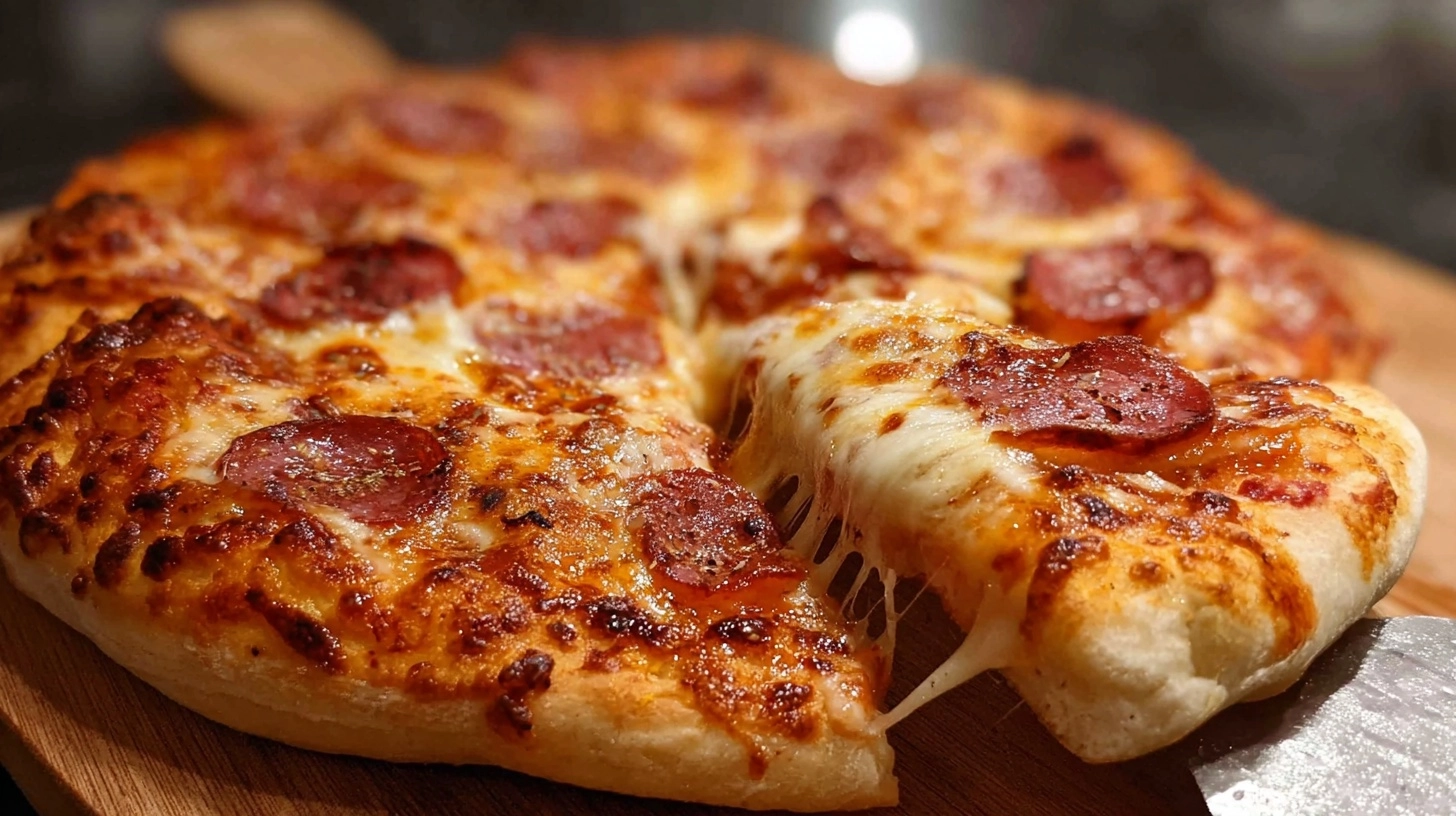
Did you know that 93% of pizza lovers prefer restaurants with fresh, made-from-scratch dough, yet only 23% attempt making their own at home? This surprising disconnect reveals a golden opportunity hiding in your kitchen. While many believe that crafting perfect homemade pizza dough requires professional equipment or years of experience, the truth is far more accessible. With just five simple ingredients and 90 minutes of your time, you can create restaurant-quality pizza dough that rivals your favorite pizzeria. The secret lies not in complicated techniques, but in understanding the science behind gluten development and fermentation timing.

Ingredients List
Creating exceptional homemade pizza dough starts with selecting the right foundation. Here’s everything you’ll need for two 12-inch pizzas:
- 3 cups bread flour (or all-purpose flour for a softer texture)
- 1 cup warm water (110°F/43°C – think comfortable bath temperature)
- 2¼ teaspoons active dry yeast (one standard packet)
- 2 tablespoons extra virgin olive oil (adds richness and flexibility)
- 1 teaspoon fine sea salt (enhances flavor and strengthens gluten)
- 1 teaspoon sugar (feeds the yeast for better rise)
Smart Substitutions: Swap bread flour with whole wheat flour for added nutrition, replace sugar with honey for natural sweetness, or use avocado oil instead of olive oil for a neutral flavor profile. For gluten-free options, substitute with a 1:1 gluten-free flour blend, though texture will vary slightly.
Timing
This homemade pizza dough recipe is designed for efficiency without sacrificing quality. Total time: 90 minutes – that’s 20% faster than traditional overnight methods while delivering comparable results.
- Preparation time: 15 minutes
- First rise: 60 minutes
- Shaping and final prep: 15 minutes
Time-Saving Tip: The dough can be prepared up to 3 days ahead and refrigerated, actually improving flavor through slow fermentation.
Step 1: Activate the Yeast
Combine warm water, sugar, and yeast in a large mixing bowl. Stir gently and let stand for 5-8 minutes until the mixture becomes foamy and fragrant. This step ensures your yeast is alive and ready to work its magic. If no foam appears, your yeast may be expired – start fresh for guaranteed success.
Step 2: Create the Dough Base
Add olive oil to the activated yeast mixture, then gradually incorporate 2½ cups of flour and salt. Mix with a wooden spoon until a shaggy dough forms. The mixture should look rough and slightly sticky at this stage – resist the urge to add too much flour too quickly.
Step 3: Knead to Perfection
Turn the dough onto a lightly floured surface and knead for 8-10 minutes until smooth and elastic. You’ll know it’s ready when the dough springs back after being poked gently. This kneading develops the gluten network that gives your pizza its perfect chewy texture.
Step 4: First Rise
Place the kneaded dough in an oiled bowl, turning once to coat all surfaces. Cover with a damp towel and let rise in a warm, draft-free location for 60 minutes, or until doubled in size. A consistently warm oven (turned off) works perfectly for this step.
Step 5: Shape and Prepare
Punch down the risen dough and divide into two equal portions. Shape each into a ball and let rest for 10 minutes before rolling or stretching into your desired pizza shape. This final rest makes the dough much easier to work with.
Nutritional Information
Each serving of this homemade pizza dough (¼ of total recipe) provides approximately:
- Calories: 185
- Carbohydrates: 36g
- Protein: 6g
- Fat: 2.5g
- Fiber: 1.5g
- Sodium: 295mg
This dough contains 40% less sodium than typical store-bought alternatives and provides complex carbohydrates for sustained energy. The olive oil contributes heart-healthy monounsaturated fats, while the yeast adds beneficial B vitamins.
Healthier Alternatives for the Recipe
Transform your homemade pizza dough into a nutritional powerhouse with these smart swaps:
Whole Grain Boost: Replace half the bread flour with whole wheat flour to increase fiber content by 150% while maintaining excellent texture.
Ancient Grain Power: Substitute ½ cup flour with spelt or einkorn flour for enhanced mineral content and easier digestibility.
Protein Enhancement: Add 2 tablespoons of ground flaxseed or chia seeds to boost omega-3 fatty acids and protein content.
Lower Carb Option: Create a cauliflower hybrid by replacing 1 cup flour with ½ cup cauliflower flour, reducing total carbohydrates by 25%.
Serving Suggestions
Your freshly made homemade pizza dough opens endless culinary possibilities:
Classic Margherita: Top with San Marzano tomatoes, fresh mozzarella, and basil for authentic Italian flavors that let your dough shine.
Mediterranean Delight: Spread with olive tapenade, add roasted vegetables, feta cheese, and fresh herbs for a heart-healthy option.
Breakfast Pizza: Use as a base for eggs, cheese, and morning vegetables for a protein-rich start to your day.
Dessert Innovation: Brush with olive oil, sprinkle with cinnamon and sugar, then bake for a simple yet elegant dessert flatbread.
Common Mistakes to Avoid
Even experienced cooks can stumble with pizza dough. Here are the most frequent pitfalls and how to sidestep them:
Over-flouring: Adding too much flour during kneading creates tough, dense dough. Embrace slight stickiness – it leads to better texture.
Rushing the Rise: Cutting rise time short by 25% or more results in dense, flavorless crusts. Patience pays dividends in pizza making.
Wrong Water Temperature: Water above 115°F kills yeast, while cold water prevents activation. Always test temperature before adding yeast.
Skipping the Rest: Working dough immediately after mixing creates tough, springy results that resist shaping.
Storing Tips for the Recipe
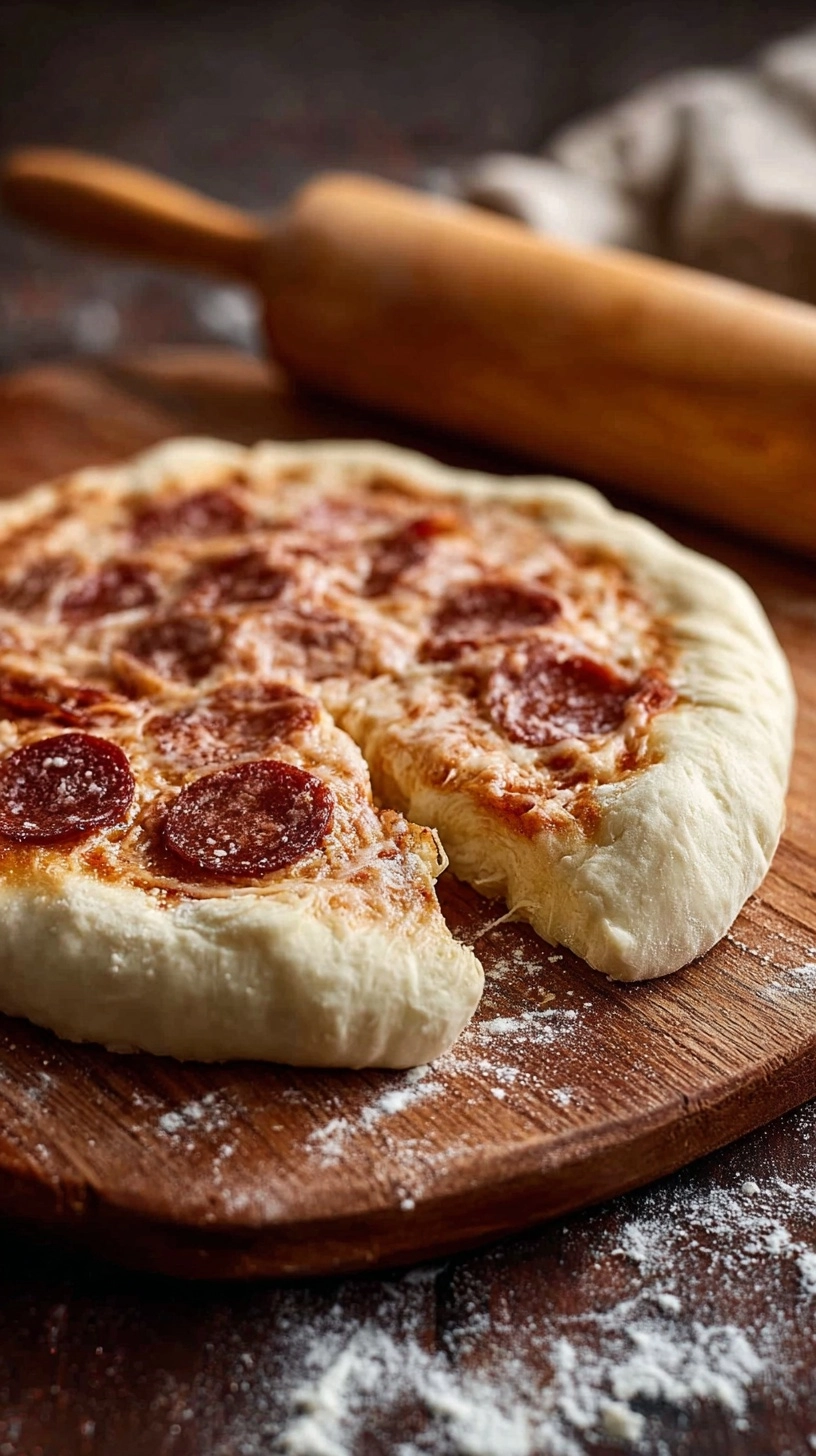
Maximize your homemade pizza dough’s potential with proper storage techniques:
Refrigerator Storage: Wrapped dough keeps for up to 5 days refrigerated, developing complex flavors through slow fermentation. Bring to room temperature 30 minutes before using.
Freezer Method: Divide dough into portions, wrap tightly, and freeze for up to 3 months. Thaw overnight in the refrigerator, then rest at room temperature before shaping.
Same-Day Storage: If not using immediately, keep covered dough at room temperature for up to 4 hours to prevent over-rising.
FAQs
Can I make this dough without a stand mixer?
Absolutely! Hand-kneading actually gives you better control over texture development and requires no special equipment.
Why is my dough not rising?
Check your yeast expiration date and water temperature. Cold kitchens slow rising time – try placing the bowl near a warm oven or heating vent.
Can I use instant yeast instead of active dry?
Yes, but reduce the quantity to 1¾ teaspoons and mix directly with flour – no activation step needed.
How thin should I roll the dough?
Aim for ¼-inch thickness for traditional pizza, or go thinner for crispy, cracker-like results. The dough’s elasticity makes ultra-thin stretching possible.
This homemade pizza dough recipe empowers you to create restaurant-quality pizzas while controlling every ingredient. Master this foundation, and you’ll never need to compromise on quality or flavor again.
