
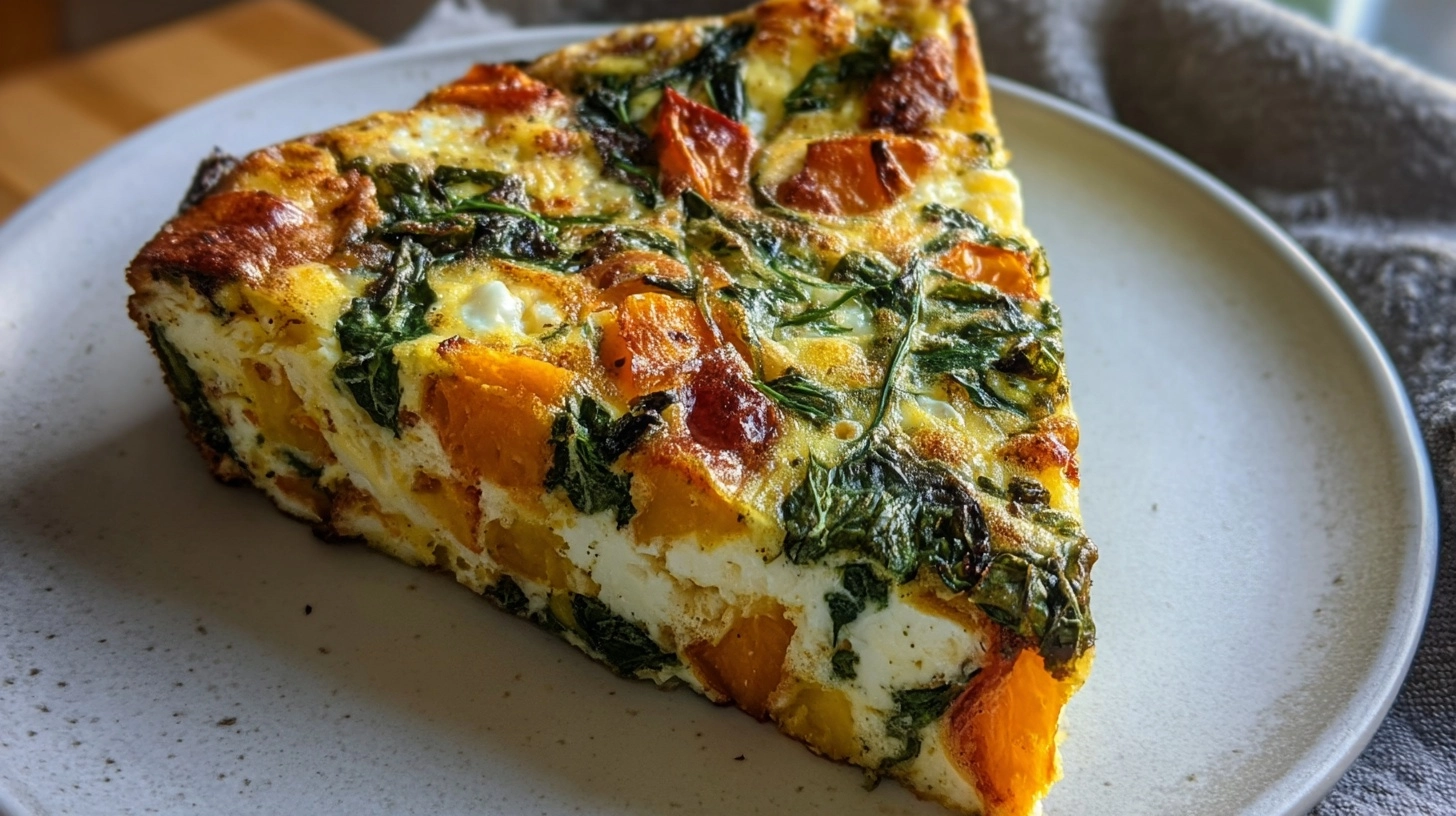
Did you know that 73% of home cooks avoid making egg dishes because they’re afraid of overcooking them? Yet, mastering a perfect frittata recipe can transform your breakfast game and provide a versatile meal solution that works for any time of day. Unlike scrambled eggs that require constant stirring or omelets that demand precise timing, frittatas offer a forgiving, one-pan approach that delivers restaurant-quality results every time. This Italian-inspired dish combines the creamy richness of eggs with endless customization possibilities, making it the ultimate comfort food that actually loves you back.
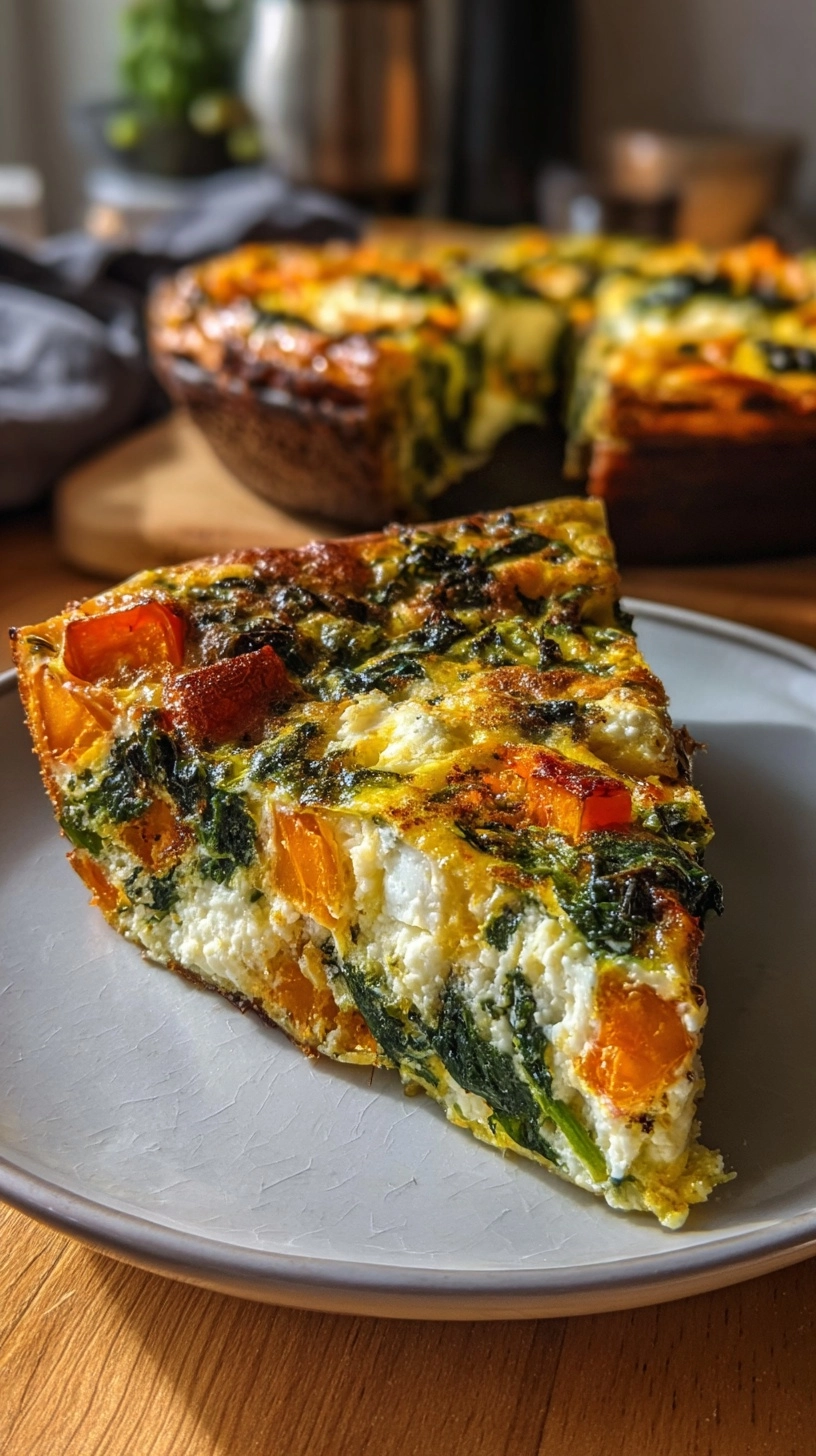
Ingredients List
Base Ingredients:
- 8 large eggs (room temperature for best mixing)
- 1/4 cup whole milk or heavy cream (coconut milk works beautifully for dairy-free versions)
- 1/2 teaspoon salt (sea salt enhances flavor complexity)
- 1/4 teaspoon freshly ground black pepper
- 2 tablespoons olive oil or butter
Vegetable Medley:
- 1 medium onion, thinly sliced (yellow onions provide sweetness, red onions add bite)
- 2 cloves garlic, minced
- 1 bell pepper, diced (any color creates visual appeal)
- 1 cup fresh spinach (or 1/3 cup frozen, thawed and drained)
- 1/2 cup cherry tomatoes, halved
Cheese & Herbs:
- 3/4 cup shredded cheese (Gruyère for nuttiness, cheddar for sharpness, or goat cheese for tanginess)
- 2 tablespoons fresh herbs (basil, thyme, or chives work magnificently)
Substitution Superstars: Swap spinach for kale, add mushrooms for earthiness, or include leftover roasted vegetables for zero-waste cooking.
Timing
Total Time: 35 minutes (40% faster than traditional quiche)
- Prep Time: 15 minutes
- Cook Time: 20 minutes
- Rest Time: 5 minutes (crucial for perfect texture)
This streamlined timing makes frittatas ideal for busy mornings, with most preparation happening while your oven preheats.
Step-by-Step Instructions
Step 1: Prepare Your Canvas
Preheat your oven to 375°F (190°C). Position the rack in the upper third for optimal browning. Crack eggs into a large bowl and whisk vigorously for 30 seconds until completely uniform—no white streaks should remain. This foundational step ensures your frittata achieves that coveted silky texture.
Step 2: Create the Flavor Foundation
Heat olive oil in a 10-inch oven-safe skillet over medium heat. Add sliced onions and cook for 4-5 minutes until translucent and fragrant. The key here is patience—rushing this step sacrifices the sweet, caramelized notes that elevate your entire dish.
Step 3: Build the Vegetable Symphony
Add garlic and bell peppers to your aromatic onion base. Sauté for 3 minutes, allowing the peppers to soften while maintaining slight crispness. Incorporate spinach last, cooking just until wilted—about 1 minute. This layered approach ensures each vegetable retains its distinct character.
Step 4: Unite and Conquer
Pour your whisked egg mixture directly over the sautéed vegetables, ensuring even distribution. Gently fold in half the cheese and fresh herbs, creating pockets of flavor throughout. Resist the urge to overmix—gentle incorporation preserves the delicate egg structure.
Step 5: The Transformation
Allow the frittata to cook undisturbed for 3-4 minutes until edges begin setting. Sprinkle remaining cheese and cherry tomatoes on top, then transfer to your preheated oven. Bake for 12-15 minutes until the center feels just set when gently pressed.
Nutritional Information
Per serving (serves 6):
- Calories: 185
- Protein: 14g (28% of daily value)
- Healthy Fats: 12g (primarily from eggs and olive oil)
- Carbohydrates: 6g
- Fiber: 2g
- Calcium: 180mg (18% DV)
- Iron: 2.1mg (12% DV)
- Vitamin A: 950 IU (19% DV)
Research shows that egg-based meals provide sustained energy for up to 4 hours, making this frittata recipe an excellent choice for stable blood sugar levels.
Healthier Alternatives for the Recipe
Lighten the Load: Replace half the whole eggs with egg whites to reduce calories by 25% while maintaining protein content. Use Greek yogurt instead of cream for added probiotics and tanginess.
Boost the Nutrition: Incorporate nutrient-dense vegetables like asparagus (folate powerhouse), mushrooms (vitamin D source), or zucchini (adds moisture without calories). Consider adding a tablespoon of nutritional yeast for B-vitamins and cheesy flavor without dairy.
Plant-Forward Options: Create an entirely plant-based version using chickpea flour and silken tofu as your base, seasoned with turmeric for that golden egg-like appearance.
Serving Suggestions
Serve your masterpiece frittata warm or at room temperature alongside a crisp arugula salad dressed with lemon vinaigrette. For brunch entertaining, pair with roasted potatoes and fresh fruit. The beauty lies in versatility—slice into wedges for elegant presentation, or cube for bite-sized appetizers.
Temperature Magic: While delicious hot from the oven, frittatas actually develop deeper flavors after cooling slightly, making them perfect for meal prep or picnic fare.
Common Mistakes to Avoid
Overcooking Crisis: The most frequent error is baking until the center is firm. Remove when it’s still slightly jiggly—residual heat completes the cooking process, preventing rubbery texture.
Skillet Size Matters: Using the wrong pan size throws off cooking times. Too large creates thin, overcooked results; too small yields uneven cooking.
Temperature Troubles: Adding eggs to overly hot vegetables scrambles them instantly. Let vegetables cool slightly before incorporating your egg mixture.
Storing Tips for the Recipe
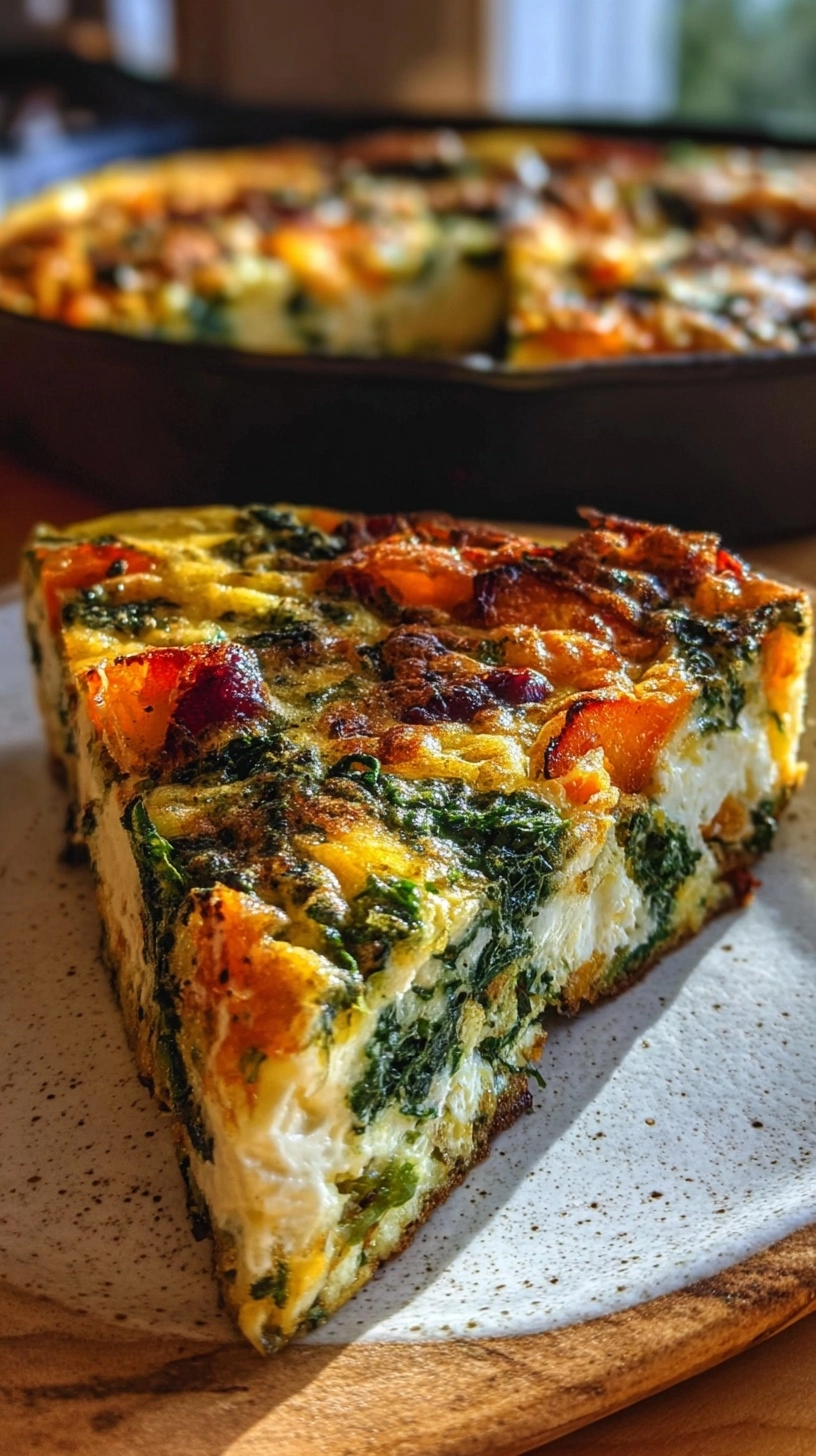
Refrigerator Storage: Properly stored frittatas maintain quality for up to 4 days. Cover tightly with plastic wrap or store in airtight containers to prevent absorption of other flavors.
Freezer-Friendly: Cut into individual portions and wrap separately for convenient single servings. Freeze for up to 3 months, though texture is best within 6 weeks.
Reheating Wisdom: Gentle reheating preserves texture. Use low oven heat (300°F) for 10-12 minutes, or microwave in 30-second intervals until warmed through.
FAQs
Can I make frittata without an oven-safe skillet?
Absolutely! Start in any skillet, then transfer to a greased pie dish for oven finishing.
Why is my frittata watery?
Excess moisture from vegetables is the culprit. Always drain frozen vegetables thoroughly and avoid overloading with high-water content ingredients.
Can frittatas be made ahead?
Yes! They’re actually ideal make-ahead meals. Prepare the night before and serve at room temperature, or reheat gently before serving.
What’s the secret to fluffy texture?
Room temperature eggs whip more easily, and avoiding overmixing prevents dense results. The milk adds crucial moisture for that coveted creamy texture.
Mastering this fundamental frittata recipe opens doors to endless culinary creativity while providing a reliable, nutritious meal solution that adapts to your lifestyle and preferences.
