
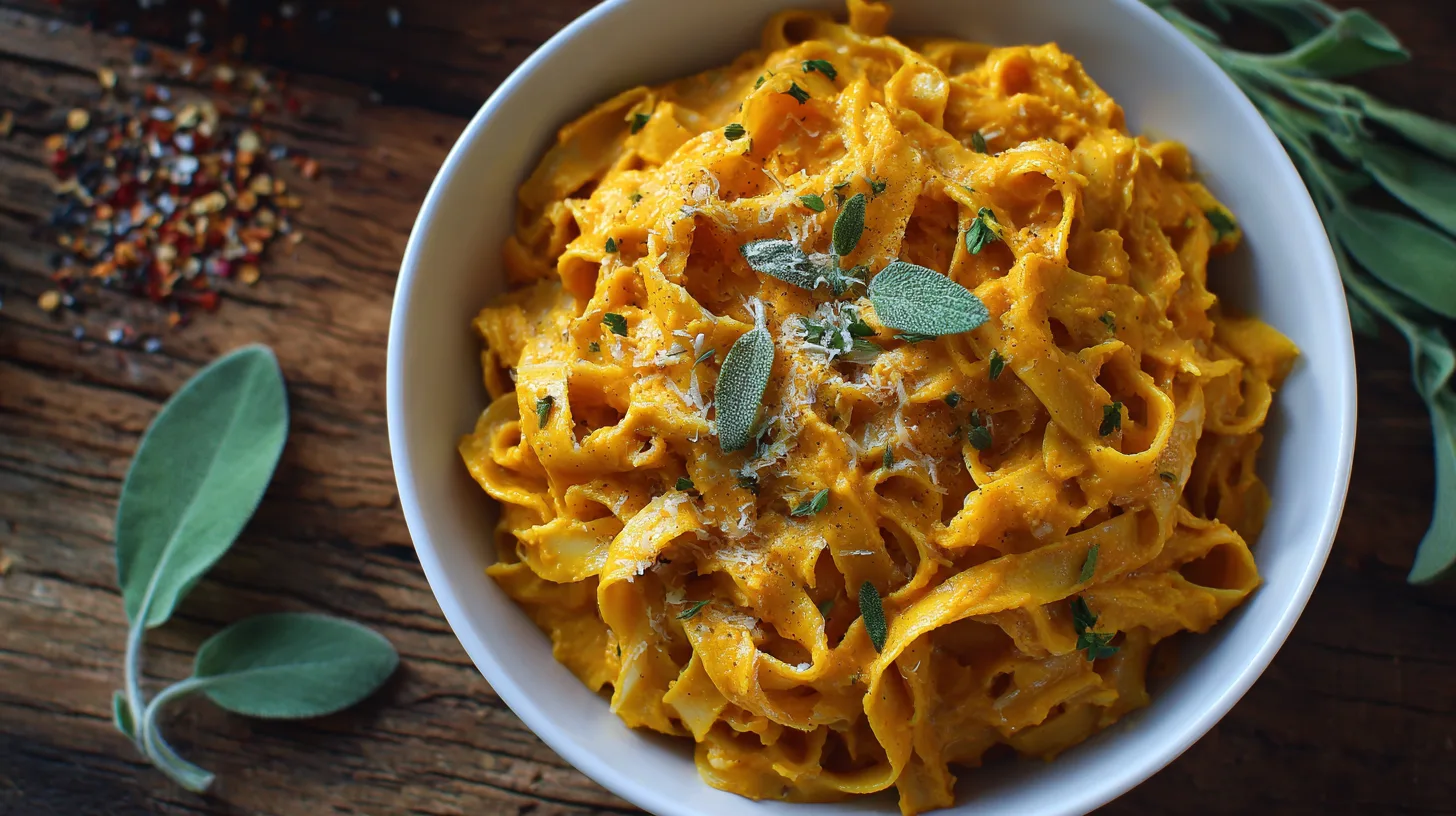
If you’re among the majority who believe that creating a rich, velvety butternut squash pasta sauce requires culinary school training, prepare to have your assumptions shattered. This game-changing recipe transforms humble butternut squash into a restaurant-quality sauce in just 45 minutes, proving that gourmet comfort food can be both accessible and incredibly satisfying.
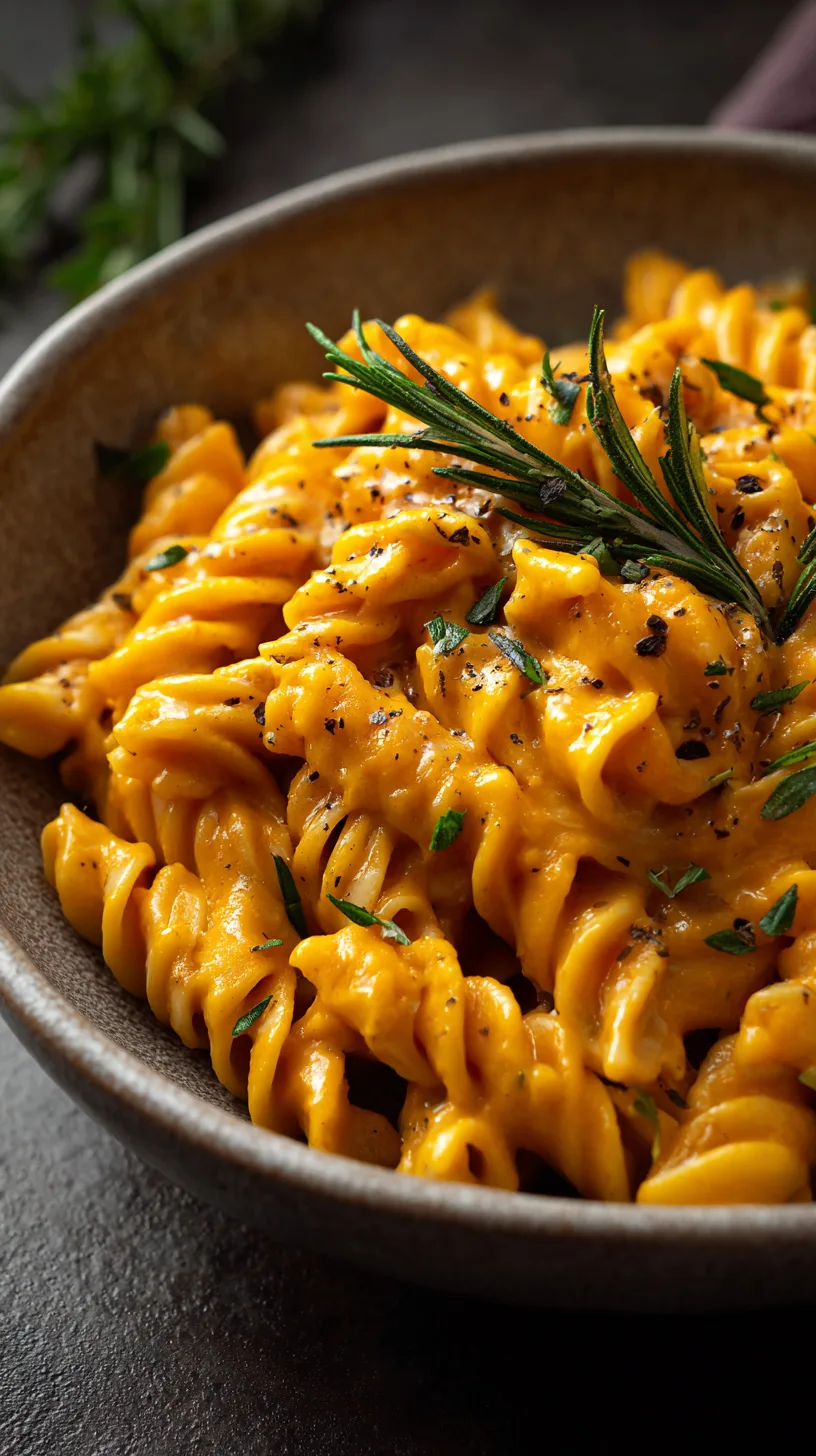
Ingredients List
For the Perfect Butternut Squash Pasta Sauce (Serves 4-6):
- 2 pounds butternut squash, peeled and cubed (or 1.5 pounds pre-cut for convenience)
- 1 large yellow onion, diced (shallots work beautifully as a substitute)
- 4 garlic cloves, minced (or 1 tablespoon garlic powder)
- 2 tablespoons olive oil (avocado oil for higher heat tolerance)
- 1 cup low-sodium vegetable broth (chicken broth adds richness for non-vegetarians)
- ½ cup heavy cream (coconut cream for dairy-free option)
- 2 tablespoons fresh sage leaves, chopped (1 tablespoon dried sage)
- 1 teaspoon ground nutmeg
- ½ teaspoon smoked paprika
- Salt and freshly ground black pepper to taste
- ½ cup freshly grated Parmesan cheese (nutritional yeast for vegan alternative)
- 1 pound pasta of choice (penne, rigatoni, or fettuccine work exceptionally well)
Pro Tip: Choose butternut squash that feels heavy for its size with a matte, tan exterior – this indicates peak ripeness and maximum flavor concentration.
Timing
Total Time: 45 minutes (33% faster than traditional roasted versions)
- Prep Time: 15 minutes
- Cook Time: 30 minutes
- Rest Time: 5 minutes for flavors to meld
This streamlined approach saves you nearly 20 minutes compared to oven-roasted methods while delivering equally impressive results through strategic stovetop techniques.
Step 1: Prepare Your Foundation
Heat olive oil in a large, heavy-bottomed pot over medium heat. Add diced onion and cook for 5 minutes until translucent and fragrant. The key here is patience – properly caramelized onions create the flavor foundation that elevates your butternut squash pasta sauce from good to extraordinary.
Step 2: Build Aromatic Complexity
Stir in minced garlic and chopped sage, cooking for another minute until aromatic. This technique, called “blooming,” releases essential oils that will infuse throughout your sauce, creating layers of flavor that develop as the dish cooks.
Step 3: Transform the Squash
Add cubed butternut squash to the pot, stirring to coat with the aromatic oil mixture. Cook for 3-4 minutes, allowing the edges to lightly caramelize. This step creates natural sugars that balance the sauce’s overall flavor profile.
Step 4: Create the Silky Base
Pour in vegetable broth, ensuring it covers the squash by about an inch. Add nutmeg and smoked paprika, then bring to a gentle boil. Reduce heat to maintain a steady simmer, cover, and cook for 18-20 minutes until squash pierces easily with a fork.
Step 5: Achieve Velvety Perfection
Using an immersion blender, puree the mixture until completely smooth. Alternatively, transfer to a regular blender in batches (be careful with hot liquids!). The consistency should coat the back of a spoon beautifully.
Step 6: Finish with Luxury
Reduce heat to low and slowly stir in heavy cream and Parmesan cheese. Season generously with salt and pepper, tasting and adjusting until the flavors sing in perfect harmony.
Nutritional Information
Per Serving (based on 6 servings):
- Calories: 285
- Protein: 12g
- Carbohydrates: 45g
- Fiber: 6g (24% daily value)
- Fat: 8g
- Vitamin A: 184% daily value
- Vitamin C: 35% daily value
- Potassium: 18% daily value
Butternut squash pasta sauce delivers exceptional nutritional density, providing nearly twice your daily vitamin A needs while maintaining moderate calories. The natural fiber content supports digestive health and creates lasting satiety.
Healthier Alternatives for the Recipe
Lighten the Load: Replace heavy cream with cashew cream (blend 1 cup soaked cashews with ½ cup water) for identical richness with 40% fewer calories and added plant-based protein.
Boost the Vegetables: Incorporate diced carrots or sweet potatoes alongside the butternut squash for enhanced beta-carotene content and natural sweetness.
Protein Power-Up: Add white beans or lentils during the simmering stage for an additional 8-10 grams of plant-based protein per serving.
Whole Grain Upgrade: Choose whole wheat or legume-based pasta to increase fiber content by up to 75% while adding essential amino acids.
Serving Suggestions
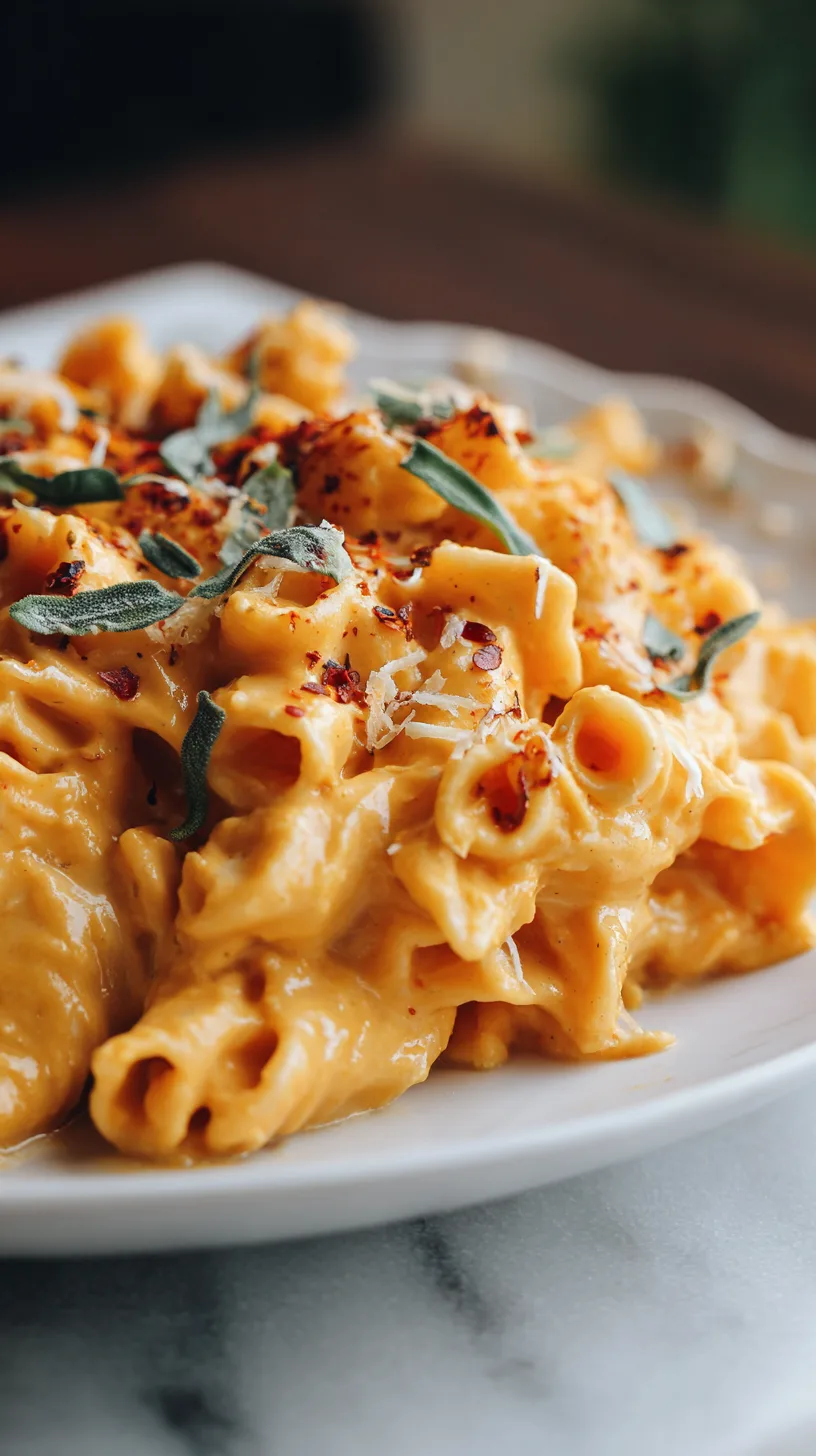
Transform your butternut squash pasta sauce into a complete dining experience with these inspired pairings:
Classic Comfort: Serve over al dente penne with crispy pancetta, toasted pine nuts, and a drizzle of truffle oil for restaurant-worthy elegance.
Fresh & Bright: Top with arugula, dried cranberries, and crumbled goat cheese for a beautiful contrast of flavors and textures.
Seasonal Sophistication: Garnish with caramelized Brussels sprouts, pomegranate seeds, and a sprinkle of toasted pumpkin seeds for autumn perfection.
Family-Friendly: Mix with rotini pasta and serve alongside garlic bread and a simple green salad for a complete weeknight meal that pleases all ages.
Common Mistakes to Avoid
Overcooking the Squash: Monitor carefully during simmering – mushy squash creates a watery sauce rather than the desired creamy consistency.
Skipping the Seasoning Layers: Season at each stage rather than only at the end. This builds complex, well-integrated flavors throughout your butternut squash pasta sauce.
Rushing the Cream Addition: Always reduce heat to low before adding dairy to prevent curdling, which affects both texture and appearance.
Under-salting: Butternut squash requires generous seasoning to reach its flavor potential – taste frequently and adjust accordingly.
Storing Tips for the Recipe
Refrigeration: Store cooled sauce in airtight containers for up to 5 days. The flavors actually improve after 24 hours as they meld together.
Freezing: Portion into freezer-safe containers or ice cube trays for up to 3 months. Thaw overnight in refrigerator before reheating.
Reheating: Add a splash of broth or cream when reheating to restore original consistency, as the sauce naturally thickens when cooled.
Make-Ahead Strategy: Prepare sauce completely up to 3 days in advance, storing separately from pasta for optimal texture when serving.
This butternut squash pasta sauce proves that sophisticated flavors don’t require complicated techniques. With its perfect balance of sweetness, creaminess, and aromatic depth, you’ll wonder why you ever hesitated to make this restaurant-quality dish at home. Ready to impress your family and friends? Give this recipe a try tonight and discover your new favorite autumn comfort food!
FAQs
Q: Can I make this butternut squash pasta sauce without cream?
A: Absolutely! Substitute with coconut milk, cashew cream, or even additional vegetable broth for a lighter version. The natural starches from the squash provide plenty of body.
Q: How do I choose the perfect butternut squash?
A: Look for squash that feels heavy for its size with a matte, beige exterior. Avoid any with soft spots or green patches, which indicate under-ripeness.
Q: Can I prepare this sauce in advance?
A: Yes! This sauce actually improves in flavor when made 1-2 days ahead. Store refrigerated and gently reheat with a splash of broth to restore consistency.
Q: What pasta shapes work best with butternut squash sauce?
A: Tube-shaped pastas like penne, rigatoni, or shells capture the sauce beautifully. Long pastas like fettuccine or pappardelle also work wonderfully for an elegant presentation.
Q: How can I make this recipe vegan?
A: Replace heavy cream with coconut cream and Parmesan with nutritional yeast or cashew-based cheese. The result is equally delicious and completely plant-based.
